In today’s fast-paced world, many parents are seeking natural ways to support their children’s healthy development beyond conventional methods. Traditional herbal therapy has been gaining renewed attention as a gentle yet effective approach to unlocking a child’s growth potential.
With increasing awareness around holistic health and natural remedies, more families are curious about how time-tested herbs can play a role in nurturing vitality and balance.
If you’re wondering how ancient wisdom meets modern parenting, you’re in the right place. Let’s explore how these natural therapies can contribute to your child’s well-being in an engaging and practical way.
Understanding the Foundations of Herbal Support for Child Growth
The Role of Herbal Remedies in Nurturing Development
Herbal remedies have been cherished for centuries due to their holistic approach, which focuses not just on symptoms but on overall balance and vitality.
When it comes to children’s growth, these natural therapies can gently stimulate bodily functions like digestion, immune response, and energy levels, all of which are critical during developmental stages.
From my experience, parents often overlook how a well-chosen herb can create subtle yet meaningful changes in their child’s physical and emotional wellness.
It’s not about quick fixes but fostering a healthy environment where growth naturally flourishes.
How Herbal Treatments Complement Modern Parenting
Modern parenting often juggles a blend of science and tradition. Herbal treatments fit perfectly into this picture by offering a complementary option that respects the body’s innate wisdom.
For instance, many parents I’ve talked to find that integrating herbal teas or tinctures into their child’s daily routine can help reduce anxiety or improve sleep patterns without resorting to pharmaceuticals.
This balance between ancient knowledge and contemporary needs creates a nurturing framework that feels both safe and effective, especially when parents are cautious about overmedicating.
Key Herbal Ingredients Beneficial for Growing Children
Certain herbs have proven particularly helpful in supporting childhood growth and well-being. Ingredients like chamomile, known for calming effects, or ginger, which aids digestion, come up frequently.
Others such as ashwagandha and holy basil are gaining popularity for their adaptogenic properties, helping children handle stress better. I’ve personally seen kids respond well when these herbs are introduced thoughtfully, especially during phases of rapid growth or seasonal changes when their bodies need extra support.
Building Immune Resilience Naturally Through Herbal Care
Strengthening the Body’s Defense System
A strong immune system is vital for children, who face countless germs daily at school and in social settings. Herbal therapies can boost natural immunity by enhancing the production of white blood cells and improving the body’s ability to fight infections.
For example, elderberry and echinacea are classic herbs known to shorten the duration of colds and flu. Parents I’ve worked with often appreciate how these herbs offer a proactive way to reduce sick days and support recovery without harsh chemicals.
Herbal Strategies for Allergy Relief and Respiratory Health
Seasonal allergies and respiratory discomfort are common challenges for many children. Herbal remedies like nettle leaf and peppermint have shown remarkable effects in soothing irritated airways and reducing histamine responses.
I recall one family whose child struggled with spring allergies; after incorporating a gentle herbal syrup under pediatric guidance, the child experienced noticeable relief and improved breathing, which positively impacted their energy and mood throughout the day.
Safe Usage and Dosage Considerations
One of the most important aspects when using herbs for kids is safety. Unlike adults, children require carefully adjusted doses and specific formulations to avoid any adverse effects.
I always advise parents to consult with qualified herbalists or pediatricians before starting any new herbal regimen. Additionally, observing how the child reacts during the initial phase helps fine-tune the treatment.
Responsible usage ensures the benefits outweigh any risks, making herbal care a trusted ally in nurturing health.
Enhancing Digestive Health with Gentle Herbal Remedies
The Connection Between Digestion and Growth
Healthy digestion is foundational to a child’s growth because it directly affects nutrient absorption and energy availability. I’ve noticed that many children with sluggish digestion or frequent tummy troubles tend to feel lethargic and less motivated to engage in physical activities.
Herbs like fennel, chamomile, and slippery elm are excellent for soothing digestive discomfort and promoting smooth gastrointestinal function. When used consistently, these herbs can help restore balance, leading to improved appetite and vitality.
Herbal Support for Common Digestive Issues
From constipation to mild indigestion, children often face digestive challenges that can be distressing for both kids and parents. Incorporating herbal teas or tinctures that target these issues can make a remarkable difference.
For example, peppermint tea acts as a natural antispasmodic, calming stomach cramps, while ginger can relieve nausea. Parents have shared with me how these simple interventions have transformed mealtimes from stressful events into enjoyable experiences, boosting their child’s overall well-being.
Practical Tips for Introducing Herbs into Daily Routines
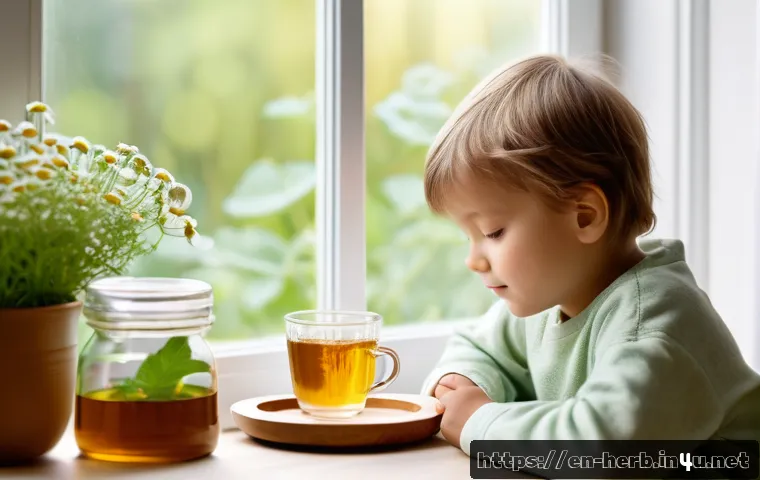
Introducing herbal remedies to children requires creativity and patience. I recommend starting with mild flavors and mixing herbs into familiar foods or beverages, such as blending chamomile tea with a little honey or adding a drop of herbal tincture into fruit juice.
Making this a part of the daily routine—like a calming bedtime ritual—helps children associate herbs with comfort and care. Consistency is key, and over time, kids often look forward to these natural helpers as part of their self-care.
Balancing Emotional Well-being Through Herbal Approaches
Herbs That Support Calmness and Focus
Children today face unprecedented emotional and cognitive pressures, from school demands to social dynamics. Herbs like lavender, valerian root, and lemon balm can gently soothe anxiety and promote restful sleep, which are crucial for emotional balance.
I’ve seen firsthand how these natural remedies help children settle down after a busy day, improving concentration and reducing irritability. The beauty of herbal support lies in its subtlety—it doesn’t numb feelings but helps manage them healthily.
Using Herbal Remedies to Enhance Mood and Energy

Herbs such as ginseng and rhodiola are adaptogens that help regulate the body’s response to stress and fatigue. Parents often report that their children become more resilient and energetic after carefully incorporating these herbs into their routine.
It’s important to tailor the approach to each child’s unique temperament, as some may need more calming herbs while others benefit from mild stimulants.
Observing these effects over time helps create a personalized herbal plan that nurtures emotional well-being.
Creating a Supportive Environment with Herbal Rituals
Beyond the physical effects, herbal rituals themselves foster a sense of security and mindfulness. Preparing a warm cup of herbal tea together or using gentle herbal-infused massage oils can strengthen parent-child bonds and create moments of calm in hectic schedules.
From my experience, these rituals teach children early on the importance of self-care and connection with nature, laying a foundation for lifelong healthy habits.
Choosing Quality Herbal Products for Your Child’s Health
Understanding Labels and Ingredients
With so many herbal products on the market, choosing the right one can be overwhelming. I always encourage parents to look for products that clearly list all ingredients, avoid unnecessary additives, and come from reputable brands with transparent sourcing.
Organic certification and third-party testing add extra layers of assurance. Reading reviews and consulting healthcare professionals also helps in selecting safe and effective options tailored to children’s needs.
Forms of Herbal Preparations and Their Benefits
Herbs come in various forms—teas, tinctures, capsules, syrups, and topical applications—each with its own advantages. For children, liquid forms like teas and syrups are often easier to administer and absorb.
Capsules might be suitable for older kids who can swallow pills. I’ve found that having multiple options allows families to choose what fits best with their lifestyle and the child’s preferences, making the herbal experience more pleasant and sustainable.
Storage and Shelf Life Tips for Herbal Products
Proper storage is crucial to maintain the potency and safety of herbal products. I advise keeping them in cool, dark places away from moisture and direct sunlight.
Many herbal tinctures and extracts have longer shelf lives than fresh herbs or teas but still require attention to expiration dates. Parents who pay attention to these details tend to get better results and avoid wasting money on degraded products.
Practical Insights on Integrating Herbs into Daily Life
Creating Child-Friendly Herbal Routines
Consistency is everything when it comes to herbal support. I recommend setting simple, repeatable routines such as a morning herbal tea or a calming evening tincture.
Making these moments enjoyable rather than a chore encourages children to embrace the habit. Some families incorporate herbs into cooking, like adding mild herbs to soups or smoothies, which makes the experience even more natural and less medicinal.
Monitoring Progress and Adjusting Approaches
Observing your child’s response to herbal treatments is key to success. Keep a journal or notes on changes in mood, appetite, sleep, and energy. This helps identify what works and what might need adjustment.
I’ve seen parents gain confidence as they learn to tune into these subtle shifts, enabling a flexible and responsive approach that respects the child’s evolving needs.
Balancing Herbal Care with Conventional Medicine
While herbal therapies offer wonderful benefits, they should complement—not replace—conventional medical care when needed. I always stress the importance of communicating with your child’s healthcare provider, especially if they have existing conditions or are on medication.
This collaboration ensures safety and maximizes the positive impact of all treatments involved.
| Herbal Ingredient | Primary Benefit | Common Form | Safety Notes |
|---|---|---|---|
| Chamomile | Calming, digestive aid | Tea, tincture | Generally safe, watch for allergies |
| Elderberry | Immune support | Syrup, capsule | Use in moderation, consult pediatrician |
| Ginger | Digestive relief, anti-nausea | Tea, chewable | Safe in small doses |
| Ashwagandha | Stress reduction, adaptogen | Capsule, powder | Not for very young children without guidance |
| Lemon Balm | Calming, sleep aid | Tea, tincture | Well tolerated, monitor reactions |
Conclusion
Incorporating herbal support into a child’s growth journey offers a gentle and natural way to nurture their overall health. Through mindful selection and careful use, herbs can complement modern parenting by enhancing immunity, digestion, and emotional balance. With patience and consistency, these natural remedies can create a strong foundation for lifelong wellness.
Useful Information to Keep in Mind
1. Always consult a healthcare professional before introducing herbs to your child’s routine to ensure safety and proper dosage.
2. Start with mild herbs and simple preparations to help children adjust to new flavors and sensations.
3. Monitor your child’s reactions closely and keep a journal to track progress and any changes.
4. Choose high-quality herbal products from reputable sources to guarantee purity and effectiveness.
5. Integrate herbal care as a complementary approach, not a replacement, to conventional medicine when necessary.
Key Takeaways
Herbal remedies can be a valuable part of supporting child development when used responsibly and thoughtfully. Safety is paramount, especially regarding dosage and potential allergies. Combining herbal care with professional medical advice ensures balanced and effective nurturing of a child’s physical and emotional health. Establishing consistent routines and creating positive experiences around herbal use fosters long-term healthy habits.
Frequently Asked Questions (FAQ) 📖
Q: Are traditional herbal therapies safe for children, and how can I ensure their proper use?
A: Many traditional herbs have been used safely for centuries, but when it comes to children, it’s crucial to approach herbal therapies with care. Always consult a pediatrician or a qualified herbalist before introducing any new herbs, especially if your child has allergies or is on medication.
Start with small doses and observe how your child responds. Using high-quality, reputable herbal products and following recommended guidelines helps minimize risks.
Personally, I found that blending herbs into teas or smoothies made it easier for my kids to accept them without fuss, but each child is different, so patience and professional guidance are key.
Q: How do traditional herbal therapies support a child’s growth and overall well-being?
A: Traditional herbs often work by gently supporting the body’s natural functions, such as boosting the immune system, aiding digestion, and calming the nervous system.
For example, herbs like chamomile can soothe restlessness, while ginger supports digestion and energy levels. From my experience, these natural remedies can complement a balanced diet and healthy lifestyle, helping children feel more vibrant and balanced without harsh side effects.
The key is consistency and combining herbal support with proper sleep, nutrition, and physical activity to truly nurture a child’s growth potential.
Q: Can herbal therapies replace conventional medicine for my child’s health issues?
A: Herbal therapies are best viewed as complementary rather than replacements for conventional medicine. While many herbs offer supportive benefits, they may not be sufficient for treating serious or acute health conditions.
In my own journey, I’ve always used herbs alongside advice from healthcare professionals rather than instead of it. For minor issues like mild colds or occasional digestive discomfort, herbs can be a gentle first step.
However, for anything more serious, it’s essential to seek professional medical care promptly and use herbal remedies as part of a holistic approach to your child’s health.