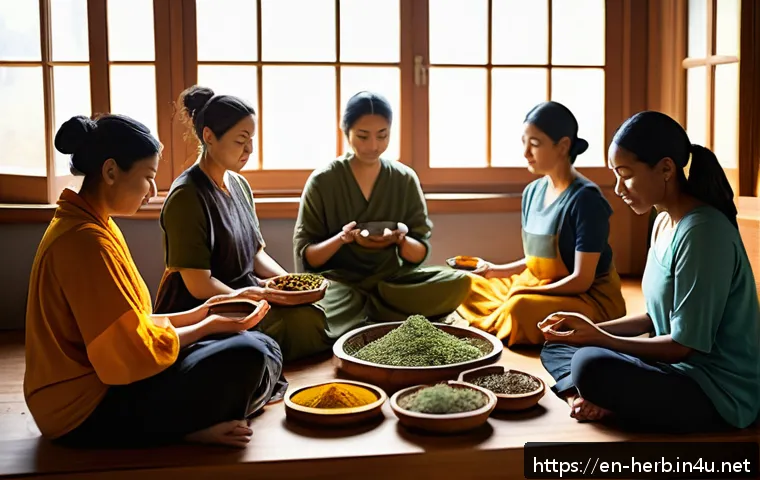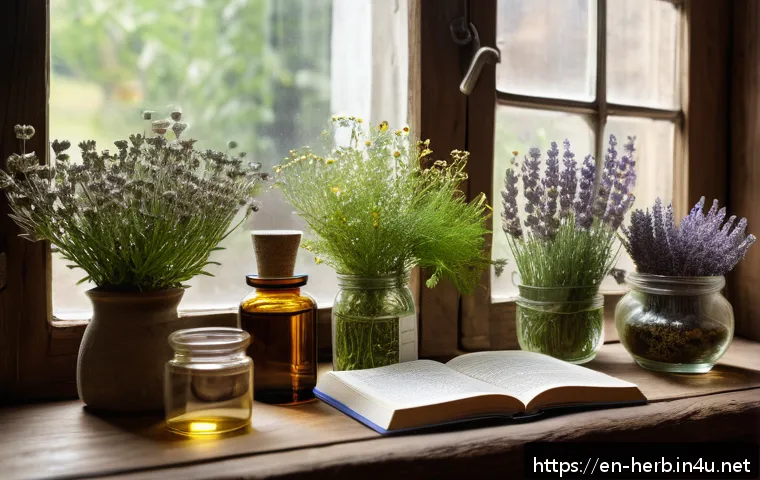
In recent years, there’s been a remarkable resurgence in the interest surrounding herbal medicine, especially within traditional clinics. As more people seek natural and holistic approaches to health, understanding the healing potential of herbs has never been more relevant.
Whether you’re curious about alternative treatments or looking to complement modern medicine, unlocking the secrets of herbal remedies can open new doors to wellness.
Join me as we explore how these age-old practices continue to thrive and transform lives today, backed by both tradition and emerging scientific insights.
This journey might just change how you view health forever.
Discovering the Power Within Nature’s Pharmacy
How Plants Speak to Our Bodies
Herbal remedies tap into a fascinating dialogue between plants and human biology. When you take a herbal tincture or tea, you’re not just ingesting random plant parts; you’re inviting a symphony of natural compounds that interact with your body’s systems.
These compounds, like flavonoids, alkaloids, and terpenes, are nature’s way of communicating healing messages. From soothing inflammation to boosting immunity, the effects often feel subtle but deeply impactful over time.
I remember trying a calming herbal blend during a stressful period, and while it wasn’t an instant fix, the gradual ease it brought to my anxiety was undeniable.
This slow, gentle approach contrasts sharply with how pharmaceutical drugs act, which is why many find herbs more approachable and less harsh on the body.
Why Traditional Wisdom Still Holds Weight
It’s easy to dismiss old herbal practices as outdated, but many ancient cultures developed these remedies through centuries of trial and error. What’s striking is how modern science is beginning to validate these traditional uses.
For example, research on turmeric’s active compound, curcumin, supports its anti-inflammatory properties long touted in Ayurvedic medicine. The real magic lies in the holistic view—herbs aren’t just for symptom relief; they’re part of a lifestyle and mindset that promotes balance.
When I worked with herbalists, they emphasized not just the herb itself but also diet, stress levels, and sleep, creating a complete picture of health.
This integrated approach is something Western medicine is increasingly appreciating.
Balancing Benefits and Risks
While herbs are natural, they’re not automatically safe for everyone or every condition. One lesson I learned the hard way was with St. John’s Wort, a popular herb for mild depression.
It interacts with many prescription medications, potentially causing serious side effects. That’s why consulting knowledgeable practitioners and doing thorough research is crucial.
Herbal medicine thrives on personalization—what works wonders for one person might be ineffective or harmful for another. Understanding dosage, preparation methods, and potential interactions is key to maximizing benefits while avoiding risks.
Exploring the Spectrum of Herbal Healing Effects
Herbs That Calm and Soothe
Many people turn to herbs to ease stress, anxiety, and sleep troubles. Chamomile and lavender are household names, but lesser-known ones like lemon balm or passionflower also deliver calming effects.
Their active compounds gently modulate the nervous system, promoting relaxation without the grogginess associated with some pharmaceuticals. I’ve found that sipping a warm chamomile tea before bed creates a comforting ritual that signals my body to unwind.
It’s this nurturing aspect that often wins people over—herbs don’t just treat symptoms, they support the body’s natural rhythms.
Boosting Immunity Naturally
The desire to strengthen the immune system has made herbs like echinacea, elderberry, and astragalus popular choices. These plants contain antioxidants and compounds that may enhance immune cell function, helping the body fend off infections more effectively.
I experimented with elderberry syrup during cold season, noticing fewer and milder symptoms compared to previous years. While herbs are no magic shield, they can be valuable allies when combined with good nutrition and lifestyle habits.
Supporting Digestion and Detoxification
Herbs can also assist in digestion and help the body eliminate toxins. Ginger and peppermint are classic examples, easing nausea and promoting gut motility.
Milk thistle is often used for liver support, helping filter out harmful substances. In my experience, a cup of ginger tea after a heavy meal can relieve bloating and discomfort almost immediately.
These natural helpers offer a gentler alternative to antacids or laxatives, fostering long-term digestive health.
The Modern Science Behind Herbal Remedies
Unlocking Active Components with Technology
Advances in phytochemistry allow scientists to isolate and study the active ingredients in herbs with unprecedented precision. This helps explain why certain plants have specific effects and guides the development of standardized extracts.
For example, standardized ginseng extracts contain measured amounts of ginsenosides, ensuring consistent potency. Such progress bridges the gap between traditional knowledge and modern pharmacology, making herbal products safer and more reliable.
Clinical Trials and Evidence-Based Use
Clinical studies on herbs are increasing, providing more robust evidence for their efficacy. However, the quality and scale of these trials vary widely.
Some herbs, like garlic for cardiovascular health, have strong backing, while others remain anecdotal. I’ve found it helpful to look for meta-analyses or reviews that summarize multiple studies rather than relying on single reports.
This cautious approach respects both the potential and limitations of herbal medicine.
Challenges in Standardization and Regulation
Unlike pharmaceutical drugs, herbal supplements often face less stringent regulation, leading to variability in quality and labeling. This inconsistency can affect both safety and effectiveness.
I’ve personally switched brands multiple times, seeking those with transparent sourcing and third-party testing. The rise of consumer awareness is pushing the industry toward higher standards, which is encouraging for anyone considering herbs as part of their health routine.
Integrating Herbal Wisdom into Everyday Life
Creating Simple Herbal Rituals
One of the joys of herbal medicine is how easily it can be woven into daily habits. Whether it’s brewing a calming tea, adding fresh herbs to meals, or using essential oils for relaxation, these small acts create meaningful moments of self-care.
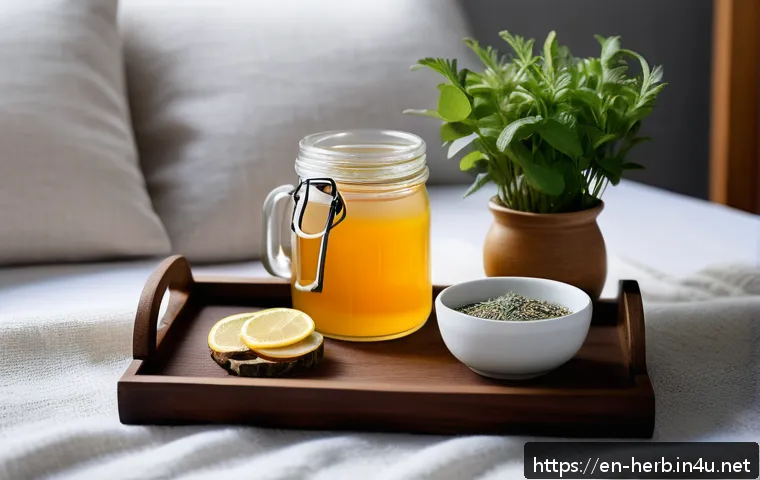
I started my mornings with a ginger-lemon infusion and noticed an uplift in energy and digestion. These rituals don’t require a big time commitment but can shift your mindset toward holistic wellness.
Combining Herbs with Conventional Medicine
Herbal medicine doesn’t have to be an either-or choice. Many people find it beneficial to complement their prescribed treatments with supportive herbs.
For instance, using turmeric alongside physical therapy for joint pain or chamomile to ease medication-related insomnia. It’s important to communicate openly with healthcare providers to avoid interactions.
When done thoughtfully, this integrative approach can enhance overall outcomes.
Growing Your Own Herbal Garden
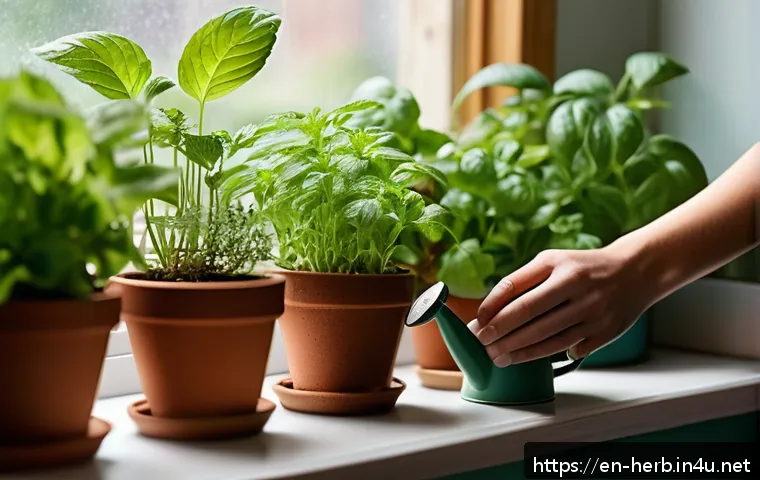
Tending to your own herbs can deepen your connection to these plants and their healing properties. Even a small windowsill garden with basil, mint, and thyme can provide fresh ingredients and a sense of accomplishment.
I’ve found that growing herbs makes me more mindful of what I put into my body and encourages experimentation with natural remedies. Plus, there’s something soothing about nurturing living things that adds another layer of wellness.
Understanding Common Herbal Ingredients and Their Uses
Key Healing Herbs and Their Roles
It helps to familiarize yourself with some widely used herbs and what they’re best known for. Below is a quick overview highlighting a few common ones, their primary benefits, and typical applications.
This table is a great starting point for anyone curious about which herbs might suit their needs.
| Herb | Main Benefits | Common Uses | Notes |
|---|---|---|---|
| Turmeric | Anti-inflammatory, antioxidant | Joint pain, skin health | Best absorbed with black pepper |
| Chamomile | Calming, digestive aid | Sleep support, stomach upset | Safe for most; avoid if allergic to ragweed |
| Ginseng | Energy booster, immune support | Fatigue, mental clarity | Use cautiously if hypertensive |
| Ginger | Digestive relief, anti-nausea | Motion sickness, indigestion | Can thin blood; caution with anticoagulants |
| Echinacea | Immune stimulant | Cold prevention, recovery | Short-term use recommended |
How to Choose Quality Herbal Products
When selecting herbal supplements or remedies, look for brands that emphasize transparency about sourcing and manufacturing. Certifications like USDA Organic or GMP (Good Manufacturing Practices) can be indicators of quality.
I tend to avoid products with long ingredient lists full of fillers or artificial additives. Also, consider whether the herb is fresh, dried, or extracted, as this affects potency and shelf life.
Reading customer reviews and consulting with herbalists or pharmacists can provide additional guidance.
Personalizing Your Herbal Approach
Herbal medicine is deeply personal. Factors like your health history, lifestyle, and specific goals all shape which herbs will work best for you. I recommend starting with one or two well-known herbs and observing how your body responds before layering in more.
Keeping a simple journal to track effects can be surprisingly helpful. Over time, this mindful experimentation builds your own unique herbal toolkit tailored to your wellness journey.
Herbs as Allies in Stress Management and Mental Wellness
Natural Adaptogens for Resilience
Adaptogenic herbs like ashwagandha, rhodiola, and holy basil have gained popularity for their ability to help the body adapt to stress. These plants modulate stress hormones and support energy levels without the jittery effects of caffeine.
My personal experience with ashwagandha was eye-opening—it helped me feel calmer during intense work deadlines without dulling my focus. These herbs offer a supportive cushion for the nervous system, making daily challenges more manageable.
Herbal Mood Boosters and Cognitive Support
Certain herbs influence neurotransmitters linked to mood and cognition. St. John’s Wort, often used for mild depression, and ginkgo biloba, known for enhancing memory and circulation, fall into this category.
While results can vary, many find them helpful as part of a broader mental wellness strategy. I’ve noticed that combining ginkgo with mindfulness exercises helped sharpen my concentration during busy days.
Still, professional guidance is important, especially when dealing with serious mental health conditions.
Creating Herbal Rituals to Combat Burnout
Incorporating herbs into calming routines can be a powerful antidote to burnout. Whether it’s a lavender-infused bath, chamomile tea before bedtime, or inhaling rosemary essential oil during work breaks, these moments help reset the nervous system.
I’ve learned that these small pauses, enhanced by herbs, create a buffer against chronic stress. They remind me to slow down and reconnect with my body’s needs amid a hectic schedule.
Herbal Medicine in the Context of Holistic Health Practices
Synergizing Herbs with Nutrition and Movement
Herbs don’t exist in isolation but work best as part of a whole lifestyle. A nutrient-rich diet and regular physical activity amplify their benefits. For example, pairing anti-inflammatory herbs like turmeric with omega-3-rich foods can produce a more powerful effect on joint health.
When I adjusted my diet alongside herbal supplements, I noticed improvements not just in symptoms but in overall vitality. Movement also supports circulation and detox pathways, complementing herbal detoxifiers like dandelion.
The Role of Mind-Body Techniques
Mindfulness, meditation, and yoga enhance the effectiveness of herbal remedies by reducing stress and fostering balance. These practices create an internal environment where herbs can work more efficiently.
I found that combining evening herbal teas with a short meditation before sleep dramatically improved my rest quality. This holistic approach honors the interconnectedness of body and mind central to traditional healing systems.
Building a Supportive Community Around Herbal Health
Engaging with others who share an interest in herbs fosters learning and motivation. Joining local herbal workshops, online forums, or wellness groups can expand your knowledge and provide practical tips.
I’ve met many people who, like me, enjoy swapping recipes, sharing experiences, and supporting each other’s journeys. This sense of community reflects the age-old tradition of passing down herbal wisdom, making the practice richer and more accessible.
Practical Tips for Safe and Effective Herbal Use
Starting Small and Observing Effects
Jumping into herbal medicine can be exciting but requires patience. Begin with single herbs or simple blends, noting how your body reacts. I recommend trying one new herb at a time and giving it at least a couple of weeks to assess benefits or side effects.
This careful approach helps avoid confusion about what’s working and ensures safety.
Consulting Knowledgeable Professionals
Herbalists, naturopaths, and integrative doctors offer valuable guidance tailored to your unique situation. They can help identify contraindications, suggest appropriate dosages, and monitor progress.
I found that having a professional to answer questions and adjust my regimen gave me confidence and peace of mind.
Maintaining Quality and Storage
Proper storage preserves herbal potency. Keep dried herbs and supplements in cool, dark, and dry places, away from moisture and sunlight. Check expiration dates and avoid using herbs that smell off or show signs of mold.
I learned the hard way that freshness impacts effectiveness, so I regularly refresh my herbal supplies to ensure maximum benefit.
In Conclusion
Herbal medicine offers a gentle yet powerful way to support our health by working in harmony with the body’s natural rhythms. Through centuries of tradition and modern science, we see how herbs can complement lifestyle choices and conventional treatments alike. Embracing these natural allies encourages a mindful approach to wellness that nurtures both body and mind. Whether you’re new to herbs or deepening your practice, the journey is one of discovery and balance.
Helpful Insights to Remember
1. Start with simple herbs and observe how your body responds before expanding your routine.
2. Quality matters—choose products with transparent sourcing and certifications to ensure safety and effectiveness.
3. Consult knowledgeable health professionals to personalize your herbal use and avoid potential interactions.
4. Integrate herbs into daily rituals for consistent benefits and enhanced mental well-being.
5. Combining herbal remedies with balanced nutrition, movement, and stress management creates a holistic path to health.
Key Takeaways for Safe and Effective Herbal Use
Herbal medicine, while natural, requires thoughtful use to maximize benefits and minimize risks. Understanding your individual needs, respecting proper dosages, and seeking professional advice are crucial steps. Ensuring product quality and proper storage helps maintain potency and safety. By approaching herbs with patience and awareness, you can build a personalized, sustainable wellness practice that supports long-term health and vitality.
Frequently Asked Questions (FAQ) 📖
Q: Are herbal medicines safe to use alongside conventional treatments?
A: Generally, many herbal medicines can be safely used with conventional treatments, but it’s crucial to consult with a healthcare professional first. Some herbs may interact with prescription drugs, affecting their efficacy or causing side effects.
From my experience, when I combined certain herbal supplements with my medications, I made sure to inform my doctor to avoid any adverse reactions. Always prioritize open communication with your healthcare provider to ensure a safe and effective treatment plan.
Q: How do I know if an herbal remedy will actually work for my condition?
A: The effectiveness of herbal remedies can vary based on the herb, dosage, and individual response. While traditional use provides valuable guidance, scientific research increasingly supports the benefits of many herbs.
For example, I personally found that turmeric helped reduce inflammation after consistent use, backed by studies highlighting its anti-inflammatory properties.
It’s a good idea to research credible sources, seek advice from experienced herbalists, and monitor your body’s response to find what works best for you.
Q: Can herbal medicine replace modern medical treatments entirely?
A: Herbal medicine can complement modern treatments but should rarely be seen as a complete replacement, especially for serious or acute conditions. In my journey exploring herbal remedies, I’ve found them excellent for supporting overall wellness and managing chronic issues, but I always recommend combining them with conventional care when needed.
Herbal approaches work best as part of an integrated health strategy, not as a standalone solution for critical health concerns.