Lately, there’s been a fascinating resurgence in the way people are turning back to ancient healing methods, seeking alternatives to modern medicine. More than just a trend, traditional medicine is reshaping how patients approach wellness, blending time-tested wisdom with today’s health challenges.

I’ve noticed firsthand how these practices offer not only physical relief but also a deeper connection to holistic care. If you’ve ever wondered why ancient remedies are gaining new relevance, this exploration will open your eyes to the powerful stories behind them.
Let’s dive into the world where old meets new, and discover how traditional healing is changing lives in ways you might not expect.
How Traditional Medicine Bridges Mind and Body Wellness
Holistic Healing Beyond Physical Symptoms
When you dive into traditional healing methods, you quickly realize they don’t just target isolated symptoms. Instead, these approaches look at the person as a whole, considering emotional, mental, and spiritual health alongside physical conditions.
I’ve seen people who struggled with chronic pain find relief not only because their aches were addressed but because their stress and anxiety were recognized and treated simultaneously.
This holistic perspective creates a healing environment where the root causes of illness are uncovered rather than just patched up temporarily. It’s a refreshing shift from the sometimes fragmented care in conventional medicine, where specialists may focus narrowly on one organ or system without connecting the dots.
The Role of Mindfulness and Ritual in Healing
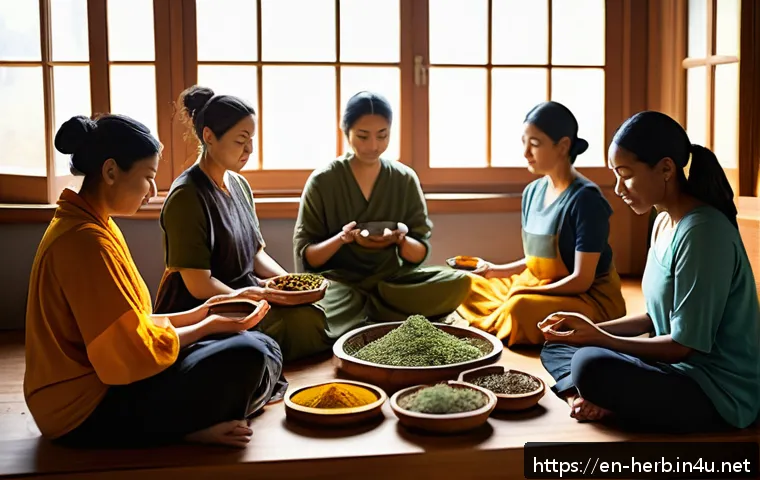
Many traditional practices include ritualistic or mindful elements—whether it’s the slow preparation of herbal remedies, meditation, or specific breathing techniques.
These rituals serve more than a symbolic purpose; they actively engage patients in their healing journey, fostering a sense of control and calm. Personally, I’ve noticed that patients who participate in these mindful rituals tend to report feeling more empowered and less overwhelmed by their conditions.
This mental engagement can enhance the body’s natural ability to heal, supporting everything from immune function to pain management. It’s a beautiful reminder that healing isn’t just a physical process but a deeply personal experience.
Why Integrative Care is Gaining Ground
Integrative medicine, which combines traditional and modern medical practices, is gaining traction because it offers the best of both worlds. Hospitals and clinics are increasingly incorporating acupuncture, herbal medicine, and yoga alongside pharmaceuticals and surgery.
This blend allows for more personalized care plans that can adapt to each patient’s unique needs and preferences. From my own observations, patients often feel more satisfied and hopeful when their treatment respects their cultural backgrounds and personal beliefs.
It’s no wonder that integrative approaches are becoming a mainstream option for those seeking sustainable, long-term wellness.
Understanding the Science Behind Ancient Remedies
Herbal Medicine: Nature’s Pharmacy Explored
Many of the plants used in traditional medicine have been scientifically studied and shown to contain active compounds with therapeutic effects. For example, turmeric, long used in Ayurvedic medicine, contains curcumin, which has anti-inflammatory and antioxidant properties supported by numerous clinical trials.
I’ve personally experimented with turmeric supplements during periods of joint pain and found noticeable improvements in inflammation and mobility. These discoveries bridge the gap between anecdotal evidence and modern pharmacology, validating ancient wisdom with contemporary research.
The Importance of Dosage and Preparation
One key aspect that often gets overlooked is how traditional remedies are prepared and administered. The efficacy of herbs or treatments can vary widely depending on dosage, timing, and even the method of extraction.
In my experience consulting with practitioners, I’ve learned that these details are crucial for safety and effectiveness. For instance, some herbs may be toxic if taken in large quantities or combined improperly with other medications.
This is where the expertise of trained herbalists and practitioners becomes invaluable, ensuring that traditional medicine is used responsibly and effectively.
Modern Challenges in Validating Traditional Treatments
Despite growing interest, there are still hurdles in bringing traditional medicine fully into the scientific mainstream. Variability in herbal composition, lack of large-scale clinical trials, and regulatory differences create barriers for widespread acceptance.
However, ongoing research and collaborations between traditional healers and biomedical scientists are gradually addressing these issues. From what I’ve seen, this partnership is essential to unlocking the full potential of ancient remedies while maintaining rigorous standards for patient safety.
The Emotional and Cultural Impact of Returning to Roots
Reconnecting With Cultural Identity Through Healing
Traditional medicine often carries deep cultural significance, providing a way for individuals to reconnect with their heritage. For many, engaging in these practices is not just about health but about honoring family traditions and community values.
I’ve met patients who describe feeling a profound sense of belonging and pride when they incorporate ancestral healing methods into their wellness routines.
This emotional connection can enhance the overall healing process, making it more meaningful and sustainable.
Building Trust Through Familiar Practices
In communities where modern healthcare systems may feel impersonal or inaccessible, traditional medicine can offer a trusted alternative. Familiar rituals and remedies create a comforting environment that encourages people to seek care sooner and adhere to treatment plans.
From personal conversations, I’ve gathered that this trust plays a huge role in successful health outcomes. When patients feel heard and understood through culturally relevant practices, their engagement and motivation to heal improve significantly.
The Role of Storytelling in Healing Traditions
Storytelling is a cornerstone of many traditional healing systems, passing down knowledge and wisdom across generations. These narratives often include explanations of symptoms, treatments, and the spiritual dimensions of illness.
I find that storytelling helps patients make sense of their experiences and fosters a stronger connection to their healing path. It also preserves valuable insights that might otherwise be lost in the fast-paced, technology-driven world of modern medicine.
Comparing Popular Traditional Healing Modalities
Acupuncture, Ayurveda, and Traditional Chinese Medicine (TCM)
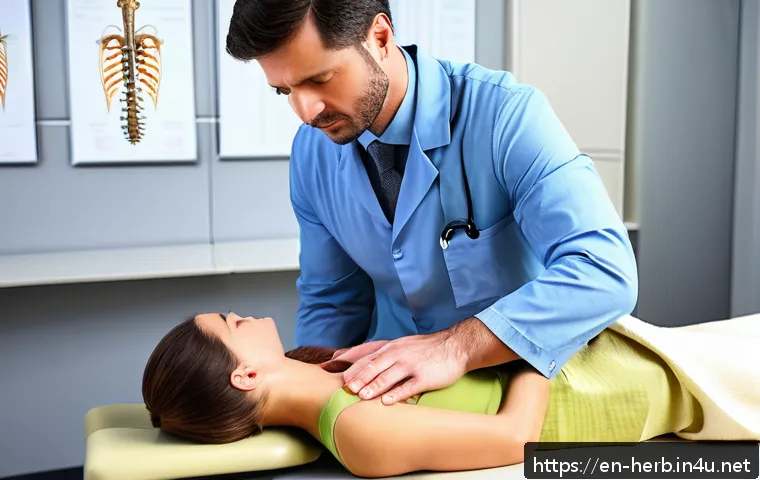
Each of these systems offers unique approaches and philosophies toward health. Acupuncture focuses on balancing the body’s energy flow through precise needle placements, often used to relieve pain and stress.
Ayurveda emphasizes balance among bodily doshas and incorporates diet, herbs, and lifestyle adjustments. TCM integrates herbal medicine, acupuncture, and exercises like Tai Chi to promote harmony within the body.
From my observations, patients often resonate with one system over another based on their personal beliefs and health goals.
Effectiveness and Safety Considerations
While many traditional modalities boast long histories of use, effectiveness can vary depending on individual conditions and practitioner skill. I’ve noticed that the safest outcomes occur when treatments are delivered by certified practitioners who understand both traditional knowledge and modern health standards.
Integrating these therapies with conventional care under medical supervision further reduces risks and enhances benefits.
How to Choose the Right Traditional Practice for You
Selecting a healing modality can feel overwhelming given the variety of options. My advice is to start by identifying your primary health concerns and researching which traditions have a strong track record for those issues.
Consulting with experienced practitioners and reading patient testimonials can also help. Most importantly, trust your intuition—healing is deeply personal, and the right approach should feel supportive and empowering.
Integrating Traditional Medicine Into Everyday Life
Simple Herbal Remedies and Their Uses
Incorporating herbs like ginger, chamomile, or peppermint into daily routines can offer gentle support for digestion, relaxation, and immunity. I often recommend starting with teas or tinctures because they’re easy to prepare and gentle on the system.
Over time, these small steps can build a foundation for better health without overwhelming your schedule or budget.
Mind-Body Practices to Complement Healing
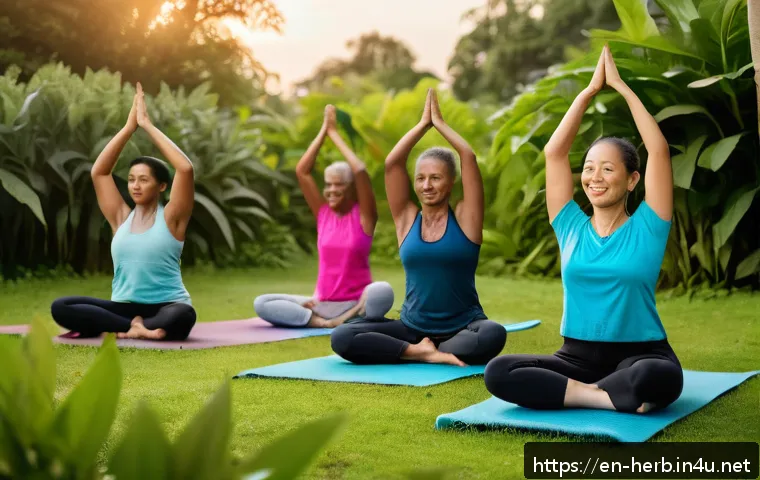
Practices like yoga, meditation, and breathing exercises are natural companions to traditional medicine. They help regulate the nervous system and reduce stress, which is often a hidden culprit behind many illnesses.
From my personal experience, even dedicating 10 minutes a day to mindful breathing can shift your mood and energy levels noticeably.
Creating a Balanced Wellness Routine
Balancing traditional remedies with modern lifestyle demands means paying attention to nutrition, sleep, physical activity, and stress management. I encourage people to view wellness as a dynamic journey rather than a quick fix.
Regular check-ins with healthcare providers, both conventional and traditional, can help tailor your routine as your needs evolve.
| Traditional Medicine Practice | Primary Focus | Common Uses | Key Benefit |
|---|---|---|---|
| Acupuncture | Energy balance (Qi) | Pain relief, stress reduction | Non-invasive symptom management |
| Ayurveda | Dosha balance and lifestyle | Chronic disease, digestion, detox | Personalized holistic care |
| Traditional Chinese Medicine | Yin-Yang harmony | Respiratory issues, immune support | Integrative body-mind approach |
| Herbal Medicine | Natural compounds | Inflammation, immunity, relaxation | Plant-based therapeutic effects |
Challenges and Future Directions for Traditional Medicine
Overcoming Skepticism in Modern Healthcare
One of the biggest challenges is bridging the gap between traditional medicine and skeptical modern practitioners. I’ve encountered many healthcare professionals who are cautiously open but require robust evidence before recommending these therapies.
Continued research and education are vital to fostering mutual respect and collaboration.
Standardization and Quality Control
Ensuring the quality and consistency of herbal products and traditional treatments remains a hurdle. From my experience, patients benefit most when they have access to standardized products with clear labeling and guidance.
Regulatory improvements and industry partnerships can enhance safety and trust.
The Role of Technology in Preserving Ancient Wisdom
Emerging technologies like AI and digital databases offer exciting possibilities to document, analyze, and share traditional knowledge globally. I find it inspiring that these tools can help protect endangered healing practices while making them accessible to new generations.
This fusion of old and new could revolutionize how we approach health in the future.
Conclusion
Traditional medicine offers a unique and valuable approach to health by integrating mind, body, and spirit. Its holistic perspective, combined with modern scientific understanding, creates promising pathways for sustainable wellness. Embracing these ancient practices alongside contemporary care can empower individuals on their healing journeys and foster deeper connections to cultural roots and personal well-being.
Helpful Information
1. Traditional healing emphasizes treating the whole person, addressing emotional and spiritual factors as well as physical symptoms.
2. Mindfulness and ritual play important roles in enhancing patient engagement and supporting the body’s natural healing abilities.
3. Integrative medicine combines the strengths of traditional and modern methods, offering personalized and culturally respectful care.
4. Proper preparation and dosage of herbal remedies are critical to ensure safety and effectiveness.
5. Choosing the right traditional practice involves understanding your health needs, consulting qualified practitioners, and trusting your intuition.
Key Takeaways
Traditional medicine bridges ancient wisdom with modern science, emphasizing holistic healing that respects cultural identity and emotional well-being. Successful integration depends on quality control, practitioner expertise, and ongoing research to build trust within the healthcare community. By thoughtfully incorporating these practices into daily life, individuals can achieve balanced, long-term health that honors both body and mind.
Frequently Asked Questions (FAQ) 📖
Q: uestions about the Resurgence of Traditional HealingQ1: Why are more people turning to ancient healing methods instead of modern medicine?
A: Many individuals are seeking a more holistic approach to health that addresses not just symptoms but overall well-being. Ancient healing methods often focus on balancing the body, mind, and spirit, which modern medicine sometimes overlooks.
From my experience, people are drawn to these practices because they offer personalized care and a sense of connection to natural rhythms. Additionally, some find relief when conventional treatments fall short, especially for chronic or lifestyle-related conditions.
It’s not about rejecting modern medicine but complementing it with time-tested wisdom.
Q: Are traditional healing practices scientifically proven and safe to use?
A: The safety and efficacy of traditional remedies can vary widely. Some, like acupuncture and certain herbal treatments, have been studied extensively and show promising results, while others may lack rigorous scientific validation.
Personally, I always recommend consulting with qualified practitioners who understand both traditional techniques and modern health standards. Integrating these practices safely means being informed and cautious, especially if you’re already on medications or have serious health issues.
Many people find that combining both approaches under professional guidance enhances their overall health journey.
Q: How can I incorporate ancient healing methods into my daily wellness routine?
A: Incorporating traditional healing into everyday life can be surprisingly simple. Start with small steps like mindful breathing, herbal teas, or gentle yoga, which have roots in ancient practices and are easy to adopt.
From my own trial, even dedicating a few minutes each day to meditation or natural remedies has made a noticeable difference in my energy and stress levels.
Exploring local practitioners or wellness centers that specialize in traditional methods can also provide personalized guidance. The key is consistency and openness to blending these ancient techniques with your modern lifestyle for a balanced, holistic approach.