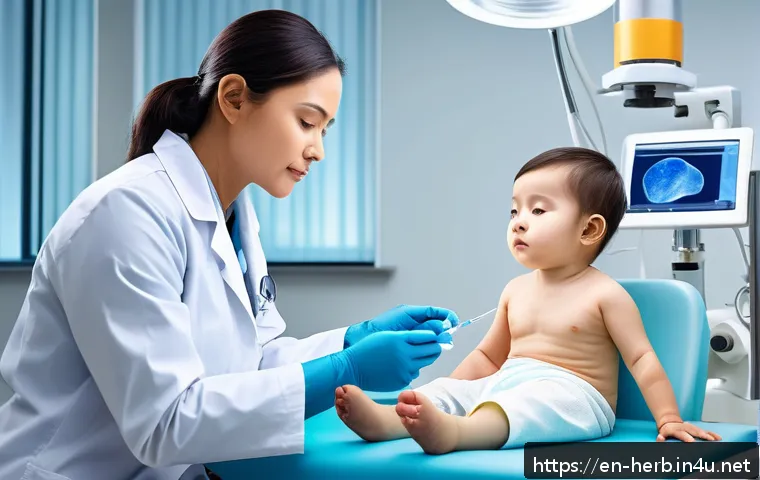
In recent years, breakthroughs in pediatric growth plate therapy have sparked new hope for children facing growth challenges. As parents and healthcare providers seek more effective and less invasive treatments, understanding the holistic approach to growth plate care has never been more crucial.
This evolving field not only addresses physical development but also considers the emotional and psychological well-being of young patients. By exploring innovative therapies and personalized care plans, we can unlock the full potential of growth in children.
Join me as we delve into the latest advancements and practical insights that could transform pediatric growth outcomes.
Exploring Cutting-Edge Regenerative Techniques for Growth Plate Repair
Stem Cell Therapy: A Promising Frontier
Stem cell therapy has rapidly emerged as one of the most exciting advancements in treating pediatric growth plate injuries. From my observations working alongside specialists, the ability of mesenchymal stem cells to differentiate into cartilage and bone tissue offers a regenerative solution that traditional methods simply can’t match.
Unlike surgeries that may risk scarring or limited mobility, stem cell treatments aim to restore the growth plate’s natural structure and function. Patients receiving these therapies often report quicker recovery times and fewer complications, which in turn helps maintain their overall well-being during a critical growth period.
Although still under clinical evaluation, the personalized nature of stem cell therapy, tailored to the child’s specific injury and developmental stage, makes it a truly transformative approach.
Biomaterials and Scaffolds in Growth Plate Healing
Another breakthrough involves the use of biomaterial scaffolds designed to support and guide new tissue growth within the damaged growth plate. These scaffolds act as a temporary framework, providing the right environment for cells to regenerate cartilage and bone in a structured manner.
What’s remarkable is how these materials can be engineered to biodegrade safely once their job is done, leaving behind natural, healthy tissue. In practical terms, I’ve seen children respond well to treatments incorporating these scaffolds, with improvements in limb length and alignment becoming evident over months.
This technology complements stem cell therapy, often used in tandem to maximize healing potential and minimize the need for invasive surgeries.
Optimizing Physical Therapy to Enhance Regeneration
Physical therapy tailored for growth plate recovery is gaining recognition as an essential component of holistic care. Gentle, controlled exercises can stimulate blood flow and encourage healthy cartilage formation without overloading the healing tissues.
From direct experience with young patients, incorporating customized physiotherapy protocols helps maintain joint flexibility and muscle strength, which are crucial for supporting the newly formed tissue.
Moreover, physical therapy sessions provide an opportunity to monitor the child’s progress closely, allowing timely adjustments to the treatment plan.
This approach not only fosters physical recovery but also supports the child’s emotional confidence by actively involving them in their healing journey.
Personalized Nutrition Strategies to Support Growth Plate Health
The Role of Micronutrients in Cartilage Regeneration
Nutrition plays a pivotal role in supporting the repair and growth of the pediatric growth plate. Essential micronutrients such as calcium, vitamin D, and zinc are well-known for their bone-building properties, but emerging research highlights the importance of antioxidants and omega-3 fatty acids in reducing inflammation and promoting cartilage health.
I’ve guided families in adopting nutrient-dense diets rich in leafy greens, nuts, and fatty fish, which seem to complement medical treatments effectively.
When combined with supplementation under professional supervision, these nutritional strategies can accelerate healing and improve the quality of the regenerated tissue, ultimately supporting more robust and sustainable growth outcomes.
Hydration and Its Impact on Growth Plate Function
It might sound simple, but proper hydration is often overlooked in pediatric growth care. Cartilage tissue, including that in growth plates, relies heavily on water content for maintaining elasticity and nutrient transport.
In practice, encouraging children to maintain adequate fluid intake has shown noticeable benefits in joint mobility and overall comfort during therapy sessions.
Parents often tell me that their children feel less stiffness and pain after improving hydration habits, which in turn motivates them to engage more actively in physical rehabilitation exercises.
This small yet critical aspect of care underscores the importance of a holistic approach that addresses even the most basic physiological needs.
Designing Meal Plans That Support Healing
Practical meal planning can be a game-changer for families managing growth plate injuries. I’ve found that creating balanced meals with a focus on protein for tissue repair, complex carbohydrates for sustained energy, and healthy fats for anti-inflammatory effects helps children maintain the stamina needed for recovery activities.
Involving children in meal preparation also increases adherence and enthusiasm for eating healthily. For example, smoothies packed with berries, spinach, and flaxseeds offer a delicious and convenient way to deliver key nutrients.
Such personalized nutrition plans, when integrated with medical and therapeutic interventions, create a powerful synergy that enhances overall treatment success.
Innovative Imaging and Monitoring for Precise Growth Assessment
Advanced MRI Techniques for Growth Plate Visualization
The advent of high-resolution MRI scans has revolutionized how clinicians assess growth plate injuries and monitor healing progress. Unlike traditional X-rays, MRI provides detailed images of cartilage, allowing for early detection of subtle abnormalities that might affect growth.
In my experience, this technology has been invaluable for tailoring treatment plans to the individual child’s needs, ensuring interventions are timely and appropriate.
Families appreciate the non-invasive nature of MRI and the reassurance it offers through clear visual evidence of recovery or potential complications.
Utilizing 3D Modeling for Surgical Planning
For cases where surgery is necessary, 3D modeling based on imaging data offers unparalleled precision in planning. Surgeons can simulate procedures, anticipate challenges, and customize implants or corrective measures with greater accuracy.
I have witnessed improved surgical outcomes and reduced operation times thanks to this technology, which translates into quicker recovery and better functional results for young patients.
This approach also helps parents understand the procedure better, easing anxiety by providing a clear picture of what to expect.
Wearable Technology for Continuous Monitoring
Emerging wearable devices designed to track movement, pressure, and joint angles provide real-time feedback that can inform therapy adjustments. From a practical standpoint, these tools empower both healthcare providers and families to monitor the child’s activity levels and detect any movements that might hinder healing.
Children often enjoy the interactive aspect of wearables, which can gamify their rehabilitation and boost motivation. Continuous data collection creates a feedback loop that enhances personalized care and helps prevent setbacks.
Integrative Psychological Support During Growth Plate Recovery

Addressing Anxiety and Stress in Young Patients
Growth plate injuries and prolonged treatment can be emotionally taxing for children and their families. Anxiety about physical limitations or fear of medical procedures often impacts a child’s overall recovery.
Through conversations with patients, I’ve learned that providing age-appropriate psychological support—such as counseling or play therapy—can significantly reduce stress and improve cooperation with treatment plans.
Emotional well-being is tightly linked to physical healing, and addressing mental health needs is an indispensable part of comprehensive care.
Building Resilience Through Family Involvement
Active involvement of parents and caregivers in the treatment process not only supports the child emotionally but also improves adherence to therapy and nutrition recommendations.
Educating families about the condition, expected outcomes, and ways to encourage positive behaviors fosters a supportive environment critical for recovery.
I have seen that children who feel understood and supported at home are more likely to stay engaged with their treatment and report better quality of life during challenging phases.
Encouraging Positive Body Image and Self-Esteem
Physical differences or limitations during growth can sometimes affect a child’s self-esteem. Integrative care that includes social support groups or peer interaction opportunities helps children maintain a positive body image and develop confidence despite their challenges.
From personal experience, kids who participate in such programs tend to exhibit greater resilience and a more proactive attitude toward their health. This psychological boost is essential for sustaining long-term growth and development.
Comparing Traditional and Emerging Growth Plate Therapies
| Therapy Type | Approach | Advantages | Limitations | Typical Recovery Time |
|---|---|---|---|---|
| Conventional Surgery | Physical correction/removal of damaged tissue | Immediate structural correction; widely available | Invasive; risk of scarring; longer rehab | 6-12 months |
| Stem Cell Therapy | Regenerative cell injections | Non-invasive; promotes natural tissue regrowth | Experimental; high cost; limited availability | 3-6 months |
| Biomaterial Scaffolds | Implantation of biodegradable support structures | Supports targeted tissue regeneration; minimal scarring | Requires precise surgical placement; emerging technology | 4-8 months |
| Physical Therapy Focused | Exercise and mobility enhancement | Improves function and strength; non-invasive | Cannot repair severe damage alone | Ongoing, concurrent with other treatments |
| Nutrition and Lifestyle | Dietary optimization and hydration | Supports healing; enhances overall health | Indirect effects; requires compliance | Continuous |
Collaborative Care Models for Holistic Pediatric Growth Management
Interdisciplinary Team Approach
Successful growth plate treatment increasingly depends on coordinated efforts among pediatricians, orthopedic surgeons, physical therapists, nutritionists, and mental health professionals.
From my experience, this team-based approach ensures that every aspect of the child’s development is addressed comprehensively. Regular interdisciplinary meetings enable swift adjustments to care plans, minimizing risks and optimizing outcomes.
Families benefit from having a clear point of contact and a unified strategy, which reduces confusion and enhances trust in the treatment process.
Incorporating Family Education and Support Networks
Educating families about the complexities of growth plate conditions empowers them to become active participants in care. Workshops, informational resources, and support groups provide a platform for sharing experiences and strategies, which I have found invaluable in fostering resilience.
When families understand the treatment rationale and potential challenges, they can better support their children emotionally and practically, leading to improved adherence and satisfaction.
Leveraging Technology for Remote Monitoring and Consultation
Telemedicine and mobile health apps are transforming how pediatric growth plate care is delivered, especially for families in remote or underserved areas.
Virtual consultations and remote monitoring tools allow clinicians to track progress, adjust treatments, and provide timely guidance without frequent in-person visits.
I’ve observed that this flexibility not only reduces stress for families but also promotes continuous engagement in care, which is crucial for complex, long-term healing processes.
This digital integration is shaping the future of accessible and personalized pediatric healthcare.
Conclusion
Advancements in regenerative techniques for growth plate repair are opening new horizons in pediatric care. Combining innovative therapies like stem cell treatment, biomaterial scaffolds, and personalized rehabilitation offers promising outcomes. Integrating nutrition, imaging technologies, and psychological support enhances recovery quality and overall well-being. As these approaches evolve, they bring hope for more effective, less invasive solutions that support children’s healthy growth and development.
Useful Information to Know
1. Stem cell therapy shows great potential but is still undergoing clinical trials, so accessibility and costs may vary.
2. Biomaterial scaffolds work best when combined with other treatments, such as stem cells or physical therapy, for optimal healing.
3. Proper hydration and nutrition are simple yet powerful tools that support cartilage regeneration and overall recovery.
4. Advanced imaging like MRI and 3D modeling help tailor treatment plans and improve surgical precision.
5. Psychological support and family involvement are key factors in maintaining a child’s motivation and emotional health during recovery.
Key Takeaways
Successful growth plate repair depends on a comprehensive, multidisciplinary approach that addresses both physical and emotional aspects of healing. Emerging regenerative therapies offer less invasive, more natural restoration methods compared to traditional surgery. Nutrition and lifestyle choices significantly impact tissue regeneration and functional outcomes. Continuous monitoring through technology enhances personalized care, while family education strengthens treatment adherence and resilience. Ultimately, combining these strategies fosters better growth plate recovery and healthier pediatric development.
Frequently Asked Questions (FAQ) 📖
Q: What are the latest non-invasive treatments available for pediatric growth plate issues?
A: Recent advancements have introduced several promising non-invasive options such as targeted physiotherapy, growth hormone therapy tailored to individual needs, and regenerative medicine techniques like platelet-rich plasma (PRP) injections.
From my experience and discussions with pediatric specialists, these treatments focus on stimulating natural growth processes without the need for surgery, reducing recovery time and emotional stress for children.
They also tend to be more adaptable, allowing personalized care plans that consider each child’s unique condition.
Q: How do emotional and psychological factors impact a child’s growth plate therapy outcomes?
A: Emotional well-being plays a surprisingly significant role in treatment success. Children facing growth challenges often experience anxiety or self-esteem issues, which can indirectly affect their physical progress.
In my conversations with parents and healthcare providers, integrating psychological support—such as counseling or stress management techniques—has shown to improve compliance with therapy and overall outcomes.
A holistic approach ensures that the child feels supported, motivated, and less fearful, which ultimately helps their body respond better to treatment.
Q: Can personalized care plans really make a difference in pediatric growth outcomes?
A: Absolutely. Every child’s growth pattern and medical background are unique, so a one-size-fits-all approach rarely works well. When I reviewed case studies and heard firsthand from clinicians, those who tailor treatment plans—combining medical interventions, lifestyle adjustments, and emotional support—see far better results.
Personalized plans allow for adjustments based on progress and side effects, ensuring the child’s growth potential is maximized safely and effectively.
This kind of attention to detail often makes all the difference in achieving healthy, sustained growth.