
Navigating the process of receiving care at a traditional medicine clinic can feel a bit overwhelming if you’re unfamiliar with the steps involved. From the initial consultation to personalized treatment plans, understanding each phase can help you feel more confident and prepared.
Many people find that knowing what to expect not only eases anxiety but also enhances the overall healing experience. Whether you’re seeking acupuncture, herbal remedies, or other holistic therapies, getting acquainted with the clinic’s procedure is essential.
Let’s dive in and explore the details clearly so you can approach your visit with ease and assurance!
Getting Started: What to Expect on Your First Visit
Scheduling Your Appointment
Booking your first appointment at a traditional medicine clinic typically involves a quick phone call or online booking system. Clinics often recommend arriving a little earlier than your scheduled time to fill out any necessary paperwork.
It’s a good idea to prepare a list of symptoms, any current medications, and your medical history. This preparation helps the practitioner get a clear picture of your health status right from the start.
I’ve found that being organized beforehand really cuts down on wait times and makes the whole process smoother.
Initial Consultation and Health Assessment
During your first consultation, the practitioner usually spends a significant amount of time understanding your health concerns and lifestyle. This phase isn’t just about symptoms; it’s about the whole you—your diet, sleep patterns, stress levels, and emotional well-being.
I remember my first visit when the practitioner took the time to examine my tongue and pulse, which was fascinating and unlike anything I’d experienced in Western medicine.
This thorough assessment forms the foundation for a tailored treatment plan, ensuring the therapies align with your unique needs.
Understanding Your Personalized Treatment Plan
Once the assessment is complete, the practitioner will explain the recommended treatment options, which might include acupuncture, herbal medicine, cupping, or moxibustion.
They’ll clarify how these therapies work together to address your specific health issues. It’s perfectly normal to have questions about the duration, frequency, and expected outcomes of the treatments.
Personally, I appreciated when my practitioner broke down everything in simple terms and set realistic expectations, which helped me stay committed to the process.
Exploring Common Traditional Therapies and Their Benefits
Acupuncture: Precision and Relief
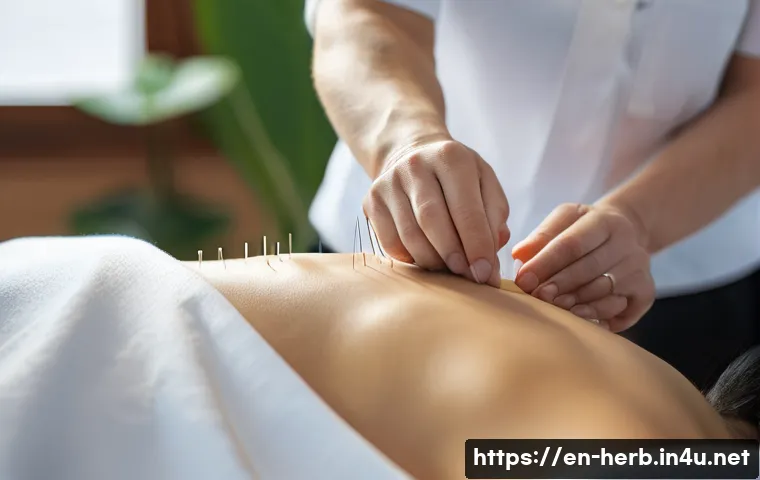
Acupuncture involves inserting very thin needles into specific points on the body to stimulate healing and balance energy flow. I’ve experienced noticeable relief from chronic tension headaches after just a few sessions.
It’s a bit nerve-wracking at first, but practitioners are skilled at making the process as comfortable as possible. The effects can vary depending on the individual and condition, but many report reduced pain and improved overall wellness.
Herbal Medicine: Nature’s Healing Touch
Herbal remedies are often customized based on your diagnosis and can come in various forms like teas, capsules, or powders. I found that taking prescribed herbal formulas helped boost my energy levels and digestion over time.
It’s important to follow the dosage instructions carefully and communicate any side effects to your practitioner. These herbs are usually sourced from trusted suppliers and are prepared to meet quality standards.
Cupping and Other Supportive Therapies
Cupping uses suction to stimulate blood flow and relieve muscle tension, often leaving circular marks that fade within a few days. I recall feeling a deep sense of relaxation after cupping sessions, which complemented my acupuncture treatments perfectly.
Other therapies, such as moxibustion, involve warming specific points and can be especially soothing during colder months or for particular conditions.
These additional options enhance the overall effectiveness of your care plan.
How to Communicate Your Needs and Track Progress
Open Dialogue with Your Practitioner
Being honest about your symptoms, lifestyle habits, and concerns is crucial for effective treatment. I noticed that when I shared detailed feedback after each session, my practitioner could fine-tune my treatments more accurately.
Don’t hesitate to mention any discomfort or unexpected reactions, as traditional medicine relies heavily on adjusting the approach based on your response.
Keeping a Health Journal
Maintaining a journal to document your symptoms, energy levels, and any side effects can be incredibly helpful. I started jotting down notes after each visit, which made it easier to remember how I felt and discuss changes with my practitioner.
This habit also helped me recognize patterns and improvements that might not be obvious day to day.
Regular Follow-Ups and Adjustments
Traditional medicine often involves multiple sessions, so staying consistent with follow-ups is key. These visits allow your practitioner to assess progress and modify treatments as needed.
From my experience, flexible scheduling and clear communication about goals kept me motivated and reassured throughout the process.
Preparing for Your Treatment Sessions
What to Wear and Bring
Comfortable, loose-fitting clothing is ideal since some therapies require easy access to certain body parts. For acupuncture, for example, sleeves that can be rolled up or pants that can be pulled up are recommended.
I always bring a list of questions or concerns I want to address during the session, which keeps the conversation focused and productive.

Pre-Treatment Tips for Best Results
Avoid heavy meals, caffeine, or alcohol before your appointment, as these can influence how your body responds to treatment. Hydration is also important, so I make sure to drink plenty of water beforehand.
Arriving relaxed helps, too—deep breathing or light stretching can calm nerves and prepare you mentally.
What to Expect During the Session
Sessions vary depending on the treatment but generally last between 30 to 60 minutes. Practitioners often explain each step to ensure you feel comfortable and informed.
I remember feeling a mix of curiosity and calm during my first acupuncture session, which soon turned into a peaceful experience. Post-treatment, you might feel relaxed or energized, and sometimes slight soreness is normal as your body adjusts.
Understanding Costs and Insurance Coverage
Typical Pricing Structures
Costs can vary widely based on the clinic, location, and types of treatments you receive. On average, acupuncture sessions might range from $60 to $120, while herbal medicines could be an additional expense depending on the formula.
From my research and experience, many clinics offer package deals or discounts for multiple sessions, which can be more budget-friendly.
Insurance and Reimbursement Options
Some insurance plans cover traditional medicine treatments, but coverage varies significantly. It’s best to check with your provider beforehand to understand your benefits.
I had to submit receipts and detailed treatment notes to get reimbursed, which required some paperwork but was definitely worth it. Many clinics are familiar with insurance processes and can assist you.
Budgeting for Your Healing Journey
Since traditional medicine often involves ongoing care, budgeting ahead is wise. I recommend setting aside a monthly amount for treatments and related expenses, factoring in any supplements or herbs.
Keeping track of costs alongside your health journal can help you evaluate the value and impact of your investment in wellness.
Common Questions and Tips for a Smooth Experience
Is Traditional Medicine Safe for Everyone?
Generally, traditional medicine is considered safe when administered by licensed and experienced practitioners. However, it’s important to disclose any underlying health conditions or medications to avoid potential interactions.
I always make sure my practitioners know everything about my health history to ensure safe and effective care.
How Long Until I See Results?
Healing times vary depending on the condition and individual. Some people feel improvements after just a few sessions, while others may need several weeks.
I learned to be patient and trust the process, keeping realistic expectations while noting small positive changes along the way.
Can Traditional Medicine Be Combined with Western Treatments?
Many practitioners support integrative approaches, and combining traditional and Western medicine can be beneficial. I coordinated with my primary care doctor to ensure all treatments aligned well.
Open communication between all healthcare providers helps create a comprehensive and safe health plan.
| Step | What to Prepare | What to Expect | Tips |
|---|---|---|---|
| Appointment Scheduling | List of symptoms, medical history | Choose convenient time, fill paperwork | Book early, arrive 10-15 min prior |
| Initial Consultation | Complete health info, lifestyle details | Detailed assessment, pulse & tongue exam | Be honest and thorough |
| Treatment Planning | Questions about therapies | Personalized plan explained | Clarify expectations |
| Therapy Sessions | Comfortable clothing, health journal | Acupuncture, herbs, cupping, etc. | Follow pre-treatment advice |
| Follow-Up Visits | Symptom tracking, feedback | Progress evaluation, plan adjustment | Stay consistent, communicate changes |
| Billing & Insurance | Insurance info, receipts | Costs vary, possible reimbursement | Check coverage, ask clinic for help |
In Conclusion
Visiting a traditional medicine clinic for the first time can be a rewarding experience when you come prepared and open-minded. The personalized approach and variety of therapies offer unique ways to support your health journey. Remember, patience and clear communication with your practitioner are key to getting the most out of your treatments. Embrace the process, and you might discover new paths to wellness that complement your lifestyle beautifully.
Helpful Tips to Keep in Mind
1. Always prepare a detailed list of your symptoms and health history before your appointment to help your practitioner tailor the best treatment plan.
2. Maintain open and honest communication with your practitioner, sharing feedback and any changes you notice after sessions.
3. Keep a health journal to track progress, symptoms, and any side effects, which can help fine-tune your care.
4. Dress comfortably and follow pre-treatment guidelines such as avoiding heavy meals or caffeine to maximize the effectiveness of your sessions.
5. Check your insurance coverage beforehand and consider budgeting for ongoing care to ensure a smooth healing journey.
Key Takeaways for a Successful Experience
Starting traditional medicine treatments requires preparation and patience. Clear communication and honesty with your practitioner help create a personalized and effective care plan. Consistency with follow-up visits and tracking your progress are essential to achieving the best results. Understanding costs and insurance coverage ahead of time can prevent surprises and ease financial planning. Ultimately, embracing the holistic approach with realistic expectations will lead to a more satisfying and beneficial wellness experience.
Frequently Asked Questions (FAQ) 📖
Q: What should I expect during my first visit to a traditional medicine clinic?
A: On your first visit, you’ll typically undergo a thorough consultation where the practitioner will ask about your medical history, lifestyle, and current health concerns.
They might also perform diagnostic techniques like pulse reading or tongue examination to get a holistic view of your condition. This initial assessment helps them create a personalized treatment plan tailored specifically to your needs.
Don’t worry if it feels detailed—it’s all about understanding you better to provide the most effective care.
Q: How long does a typical treatment session last, and how many sessions will I need?
A: Treatment sessions usually last between 30 to 60 minutes, depending on the therapy type—whether it’s acupuncture, herbal medicine, or other holistic approaches.
The number of sessions varies widely based on your condition’s complexity and how your body responds to treatment. Some people notice improvements after just a few visits, while others may require ongoing care.
The practitioner will guide you on a realistic timeline, and it’s important to keep an open line of communication throughout your healing journey.
Q: Are traditional medicine treatments safe and do they work alongside conventional medicine?
A: Traditional medicine treatments are generally safe when administered by qualified practitioners. Many people find them complementary to conventional medicine, especially for managing chronic issues, stress, or improving overall wellness.
However, it’s crucial to inform both your traditional medicine practitioner and your primary healthcare provider about all treatments you’re receiving to avoid any potential interactions or conflicts.
Personally, I’ve found that integrating both approaches with professional guidance can lead to a more balanced and effective healing experience.