
Hey everyone! If you’re anything like me, or pretty much anyone over a certain age, you’ve probably had a run-in with that unwelcome guest: back pain.
It’s truly debilitating, isn’t it? That nagging ache, the sharp jolt, the way it just stops you in your tracks. I’ve personally seen countless friends, family, and even myself, desperate for relief, scanning the internet for that magic bullet – you know, the ‘one-shot’ treatment that promises to banish disc pain for good.
It sounds almost too good to be true, and frankly, sometimes it is. But what if there are truly effective, rapid solutions out there that can actually make a significant difference?
It’s a hot topic right now, with new advancements emerging constantly, and sorting through the hype to find what really works can feel like a full-time job.
We all want to feel better, faster, and understand the real deal behind those promising claims. So, if you’ve been wondering about those incredible claims and whether a fast track to pain relief is truly within reach, you’re in the right place.
Let’s get down to the nitty-gritty and uncover the real story.
Understanding the Uninvited Guest: What’s Really Causing Our Aches?
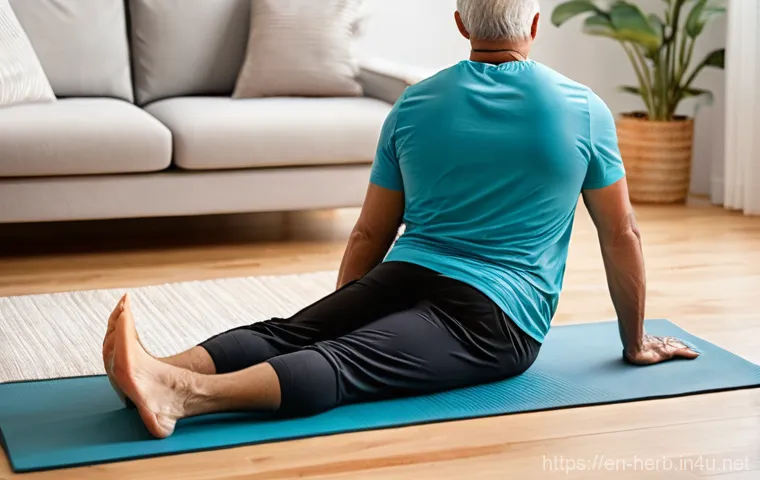
Okay, so that intro really hit home for me, and I bet it did for many of you too. Back pain isn’t just a physical inconvenience; it’s a thief that steals joy, productivity, and sometimes even a good night’s sleep. I remember a particularly rough patch a few years back when I was convinced I’d tried everything under the sun. My lower back felt like a permanent knot, constantly reminding me of its presence with every twist, bend, and even just sitting still. It was truly debilitating, making even simple tasks like loading the dishwasher feel like a monumental effort. We’re all looking for that quick fix, aren’t we? That magic bullet to make it vanish. But before we dive into the “how to fix it fast,” let’s take a moment to understand *why* it’s happening. Sometimes, just knowing the root cause can empower us to choose the right path to relief. It’s often not one big thing, but a combination of smaller factors that slowly, silently, build up until our back decides it’s had enough. I’ve personally discovered that a little detective work into my daily habits made a world of difference in understanding my own triggers. It felt like uncovering a secret code to my body’s complaints, and honestly, that insight was half the battle won, leading me down a much more effective treatment path than just randomly trying remedies. It’s like when you’re troubleshooting a glitch on your computer – you can’t just blindly restart it a hundred times; you need to figure out what program is crashing it, right? Our bodies are no different, and for back pain, it’s a crucial first step towards genuine, lasting relief.
The Hidden Culprits: From Desk Jobs to Daily Habits
You know, it’s funny how many seemingly innocent parts of our day can contribute to back pain. For me, it was a combination of too much time hunched over my laptop, chasing after a toddler, and probably not stretching enough. Modern life, especially with so many of us glued to screens, sets us up for some serious posture pitfalls. Think about it: that ergonomic chair you *meant* to buy, the way you slouch on the sofa binging your favorite show, or even that old mattress that’s seen better days. These everyday habits can slowly but surely put undue stress on our spines, leading to muscle strains, ligament issues, and even aggravating disc problems over time. I used to think my occasional backache was just “part of getting older,” but after really observing my routine, I realized how much control I actually had. It’s not about being perfect, but about making conscious choices. Even something as simple as how you lift a grocery bag, or the shoes you wear, can play a role. I learned the hard way that ignoring these small signals is like ignoring a tiny leak in your roof – eventually, it becomes a flood! So, don’t dismiss those subtle aches; they’re your body’s way of whispering, “Hey, something’s not quite right here.” Recognizing these silent contributors is the first big step towards reclaiming your comfort.
Decoding the Signals: When to Pay Close Attention
While a fleeting ache might just be a sign you overdid it gardening, there are definitely times when your back is trying to send you a stronger message. I’ve had friends who brushed off persistent numbness or a radiating pain down their leg, only to find out later it was something more significant, like sciatica or a herniated disc. It’s easy to fall into the trap of thinking it’ll just “go away on its own,” especially when you’re busy, but some symptoms really demand attention. If you’re experiencing sharp, shooting pain, tingling, or weakness in your legs or feet, or if the pain is severe and doesn’t improve with rest or basic remedies, it’s time to consult a healthcare professional. I always tell people, trust your gut. If something feels off, or if the pain starts affecting your daily life and preventing you from doing the things you love, don’t delay. Early intervention can make a huge difference in both recovery time and preventing the condition from worsening. I remember my own alarm bells went off when I started having trouble sleeping because of the constant throbbing, even after trying my usual heat packs and stretches. That was my cue that it was time to get some professional input, and honestly, it was the best decision I made for my peace of mind and my physical well-being. It’s not about panicking, but about being informed and proactive with your health, because your back health truly impacts your entire quality of life.
My Go-To Strategies for Immediate Back Bliss (Almost!)
Alright, so we’ve talked about the “why,” now let’s get into the “what can I do *right now*?” When back pain strikes, and trust me, it still does sometimes, my first thought isn’t always about long-term solutions; it’s about finding some quick relief to get me moving again. Over the years, I’ve honed a few immediate strategies that truly make a difference, helping to calm things down so I can actually think straight and plan my next steps. It’s like having a first-aid kit for your back. You grab it, you use it, and you start to feel a little bit of that tension melt away. These aren’t magic cures, but they’re incredibly effective at taming that initial fire, reducing inflammation, and giving your muscles a much-needed break. I’ve personally found that the combination of these simple, accessible methods can turn a really bad day into a manageable one, allowing you to breathe, move a bit more freely, and regain some control over your body. It’s about empowering yourself with tools you can deploy at a moment’s notice, without needing a doctor’s appointment or a fancy piece of equipment. Believe me, when that unexpected jolt hits, having these up your sleeve is an absolute game-changer. These are the things I reach for before anything else, because they reliably bring that initial wave of calm and comfort.
The Power Duo: Heat and Cold Therapy
This might sound super basic, but honestly, heat and cold therapy is my absolute MVP for immediate back pain relief. It’s cheap, accessible, and surprisingly effective. When I feel that sharp, acute pain or a new strain, an ice pack (or even a bag of frozen peas, let’s be real!) wrapped in a thin towel goes straight on the area. The cold helps to reduce inflammation and provides a numbing effect, which is a blessing when the pain is intense. I usually do this for about 15-20 minutes. Then, for that dull, persistent ache, or when my muscles feel tight and knotted, I switch to heat. A warm bath, a heating pad, or even a hot water bottle can work wonders. The warmth increases blood flow, which helps relax those stubborn muscles and promotes healing. I personally love a warm shower that hits my lower back for a few minutes; it feels like it melts away the tension. I’ve often rotated between the two – cold for the initial inflammation, then heat for muscle relaxation – and it’s amazing how much difference it makes in just an hour or two. Don’t underestimate this classic combo; it’s a staple in my pain relief arsenal for a reason.
Gentle Movement: Your Body’s Natural Healer
I know, I know. When your back is screaming, the last thing you want to do is move. But here’s the thing: complete bed rest is actually *not* recommended anymore and can sometimes make things worse. Gentle movement, however, can be incredibly therapeutic. I’m not talking about hitting the gym for a heavy workout; I mean slow, controlled stretches and low-impact activities. Think a short, leisurely walk around the block, or some simple yoga stretches. My personal favorite is the “cat-cow” stretch or gently bringing my knees to my chest while lying down. These movements help improve circulation, keep your muscles from stiffening up, and can even help decompress your spine. I remember one time, my back was so tight I could barely bend, and a friend suggested just a few minutes of slow walking. I was skeptical, but after just ten minutes, I felt a noticeable, albeit slight, improvement in my mobility. It’s all about listening to your body. If something hurts, stop. But if you can find some gentle movements that ease the tension, embrace them. It’s your body’s way of saying, “Thank you for helping me get things flowing again.” Consistency with these simple movements can not only provide immediate comfort but also contribute significantly to preventing future flare-ups.
Beyond the Basics: Non-Invasive Paths to Lasting Comfort
While those immediate strategies are lifesavers in a pinch, sometimes back pain needs a bit more targeted attention. When I realized my aches weren’t just a one-off but a recurring issue, I knew I needed to look beyond ice packs and simple stretches. That’s when I started exploring other non-invasive options that could offer more sustained relief and, crucially, address the underlying issues, not just the symptoms. It’s about being proactive and investing in your long-term well-being. I’ve been down the rabbit hole of internet searches, trying to figure out what truly works, and I’ve seen firsthand how different approaches resonate with different people. What works for your neighbor might not work for you, and that’s perfectly fine! The key is finding what aligns with your body and your lifestyle. I’ve personally dipped my toes into a couple of these areas, and the insights gained were invaluable. It really transformed my understanding of pain management, moving from a reactive stance to a much more preventative and holistic one. It’s an exciting journey when you start to uncover solutions that truly make a significant difference, not just for a few hours, but for days, weeks, or even months at a time. This isn’t about chasing a fleeting moment of relief; it’s about building a foundation for a healthier, less painful future.
Unlocking Spinal Harmony: The Chiropractic Connection
When my back pain started interfering with my ability to go for my usual long walks, a friend suggested I try a chiropractor. I’ll admit, I was a little nervous at first, as the idea of “adjustments” sounded intense. However, after doing my research and finding a reputable practitioner, I decided to give it a shot. Chiropractic care focuses on spinal manipulation to correct misalignments, reduce inflammation, and improve overall spinal function. My chiropractor explained that when vertebrae are out of alignment, they can put pressure on nerves, leading to pain and reduced mobility. After just a few sessions, I started noticing a significant reduction in my pain and an improvement in my flexibility. It wasn’t an overnight miracle, but a gradual, steady improvement that truly surprised me. What I particularly appreciated was the holistic approach; my chiropractor also gave me exercises and lifestyle advice to maintain the benefits. It felt like someone was finally looking at the big picture of my body, not just the painful spot. Many people, like me, have found that chiropractic adjustments can provide much-needed pain relief and enhance mobility, making it a viable non-surgical option for issues like herniated discs and general lower back discomfort.
Ancient Wisdom, Modern Relief: Exploring Acupuncture
Acupuncture was another avenue I explored during my quest for relief, and it was a fascinating experience. I had heard anecdotes but was curious about the science behind it. This ancient Chinese practice involves inserting hair-thin needles into specific pressure points on the body. The theory is that it stimulates the nervous system to release natural painkillers, like endorphins, and other neurochemicals that can reduce pain and inflammation, while also improving circulation. My sessions were surprisingly relaxing; I would just lie there, often drifting off to sleep while the needles did their work. While some studies have had mixed results, a growing body of evidence suggests acupuncture can be quite effective for back pain, especially if other treatments haven’t worked. For me, it provided a subtle but distinct sense of calm and a noticeable decrease in muscle tension after each session. It’s not a one-time fix, often requiring several treatments, but the cumulative effect was undeniable. It’s a wonderful option for those looking for a non-pharmacological approach and are open to exploring alternative therapies. The sensation itself is usually minimal, often described as a slight tingle or pressure, and the post-treatment feeling of relaxation is definitely a huge plus.
Pivotal Lifestyle Shifts: Building a Back-Friendly Foundation
Let’s be real, while professional treatments offer incredible relief, a huge chunk of our back health comes down to how we live our daily lives. This is where I’ve personally made some of the most impactful changes, and honestly, it felt like taking back control. It’s not always about grand gestures; sometimes, it’s the small, consistent adjustments that truly build a resilient back. I used to think my back pain was just “bad luck,” but I slowly started to connect the dots between my habits and my discomfort. It’s like building a house – you need a strong foundation, and for your back, that foundation is built on smart lifestyle choices. This isn’t just about temporary fixes; it’s about creating an environment where your spine can thrive, minimizing strain and promoting natural healing. I’ve found that when I prioritize these areas, my back feels stronger, more flexible, and far less prone to those sudden, debilitating episodes. It’s an ongoing journey, of course, but the rewards are absolutely worth the effort. It’s about being an active participant in your own well-being, rather than just hoping the pain goes away. When you start seeing these changes as investments in your future comfort, it makes them so much easier to stick with, and you truly begin to appreciate the power of these daily decisions.
Ergonomics: Your Workspace, Your Sanctuary
If you’re anything like me, a good chunk of your day is spent at a desk, staring at a screen. And let me tell you, poor ergonomics can be a silent assassin for your back! I learned this the hard way when I started experiencing neck and upper back pain in addition to my lower back issues. It wasn’t until I truly assessed my workspace that I understood the problem. My monitor was too low, I was slouching, and my chair offered zero lumbar support. Making a few tweaks felt like a revelation! Investing in a good ergonomic chair with proper lumbar support is a game-changer; it supports the natural curve of your lower back. Adjust your monitor so the top is at eye level, and keep your keyboard and mouse close to avoid reaching. Even better, consider a sit-stand desk! I recently got one, and being able to switch between sitting and standing throughout the day has drastically reduced stiffness and improved my energy levels. Remember to take short breaks every 30-60 minutes to stand, stretch, or walk around. These aren’t just “nice-to-haves”; they are essential for protecting your spine from the relentless strain of sedentary work. It’s not about being rigid, but about creating a dynamic environment that supports your body, not battles it. Your back will seriously thank you for these adjustments!
Nourishing Your Spine: Diet, Sleep, and Stress Management
It might sound cliché, but what you put into your body, how much rest you get, and how you handle stress all profoundly impact your back health. I’ve personally seen a noticeable difference in my inflammatory levels and overall pain when I focus on an anti-inflammatory diet, rich in fruits, vegetables, nuts, and healthy fats like those found in fish. Avoiding processed foods and excessive sugar, which can increase inflammation, is crucial. Equally important is quality sleep. Your body heals and repairs itself when you sleep, so a good night’s rest on a supportive mattress is non-negotiable. I used to compromise on sleep, thinking I could “power through,” but it only made my back pain worse and my mood far more irritable. And then there’s stress. Oh, stress! It’s a massive culprit for muscle tension and can even heighten your perception of pain. I’ve found that incorporating simple relaxation techniques like deep breathing, gentle yoga, or even just taking a few minutes to meditate can significantly reduce muscle tension and help manage pain. It’s an interconnected web, really. When one area is out of whack, the others suffer. By nourishing your body with good food, prioritizing restorative sleep, and actively managing stress, you’re not just treating your back; you’re building a fortress of well-being for your entire system.
When Home Remedies Aren’t Enough: Advanced Options Worth Considering
There comes a time for some of us when all the stretching, ergonomic adjustments, and healthy eating in the world just aren’t quite enough to tame persistent back pain. I’ve certainly been there, feeling frustrated and a bit defeated when my usual tricks fell short. It’s a tough realization, but it’s also a signal that it might be time to explore some more advanced, medically-guided options. This isn’t about jumping straight to surgery, which is often a last resort, but about understanding the spectrum of non-surgical treatments available that can offer more targeted and long-lasting relief. These therapies are often recommended when conservative measures haven’t provided adequate improvement after several weeks or months. It’s about being smart and strategic with your health. The medical field is constantly evolving, and what might have seemed complex or intimidating years ago is now more accessible and refined. When you’re in severe or chronic pain, knowing that there are effective procedures designed to pinpoint and alleviate your discomfort can be incredibly reassuring. It’s about opening yourself up to possibilities and working closely with healthcare professionals to find the most suitable path for your unique situation, because sometimes, you just need that extra push to get back on track and regain your quality of life.
Targeted Relief: Injection Therapies

For some types of back pain, particularly those involving nerve irritation or inflammation, targeted injections can be incredibly effective. I’ve known several people who found significant relief from conditions like herniated discs or sciatica through these procedures. Epidural steroid injections, for example, involve delivering anti-inflammatory medications directly into the epidural space around the spinal cord, reducing inflammation and pressure on irritated nerves. The relief isn’t always permanent, often lasting a few months, but it can provide a crucial window for physical therapy and strengthening exercises to take hold. Other options include facet joint injections for arthritic pain in the small joints of the spine, or nerve blocks which temporarily interrupt pain signals. These procedures are often performed with imaging guidance to ensure precision and maximize effectiveness. While they sound daunting, many are minimally invasive and can offer a significant reduction in pain, allowing individuals to participate more fully in their recovery and daily activities. It’s about providing a focused approach to calm down specific pain generators, giving your body the breathing room it needs to heal. Always discuss the benefits and risks with your doctor to see if these are suitable for your specific condition.
The Future is Here: Innovative Neuromodulation
The landscape of pain management is constantly advancing, and some of the newer therapies are truly exciting, offering hope for chronic pain sufferers who haven’t found relief elsewhere. One such area is neuromodulation. Techniques like Radiofrequency Ablation (RFA) use heat energy to create a small lesion on specific nerves, effectively blocking pain signals from reaching the brain. This can provide longer-lasting relief than traditional nerve blocks. I’ve heard incredible stories from people who’ve undergone RFA and found their chronic, debilitating pain significantly reduced for extended periods, allowing them to resume activities they thought were lost to them forever. Another cutting-edge option is Spinal Cord Stimulation (SCS), where a small, implanted device delivers mild electrical impulses to the spinal cord, interfering with pain signals before they even register in the brain. It’s a reversible and customizable treatment that’s gaining traction for chronic conditions that haven’t responded to other conservative measures. These innovative treatments represent a shift away from heavy reliance on medications towards more targeted, procedural solutions. They aren’t for everyone, and typically involve a thorough evaluation, but for those facing relentless pain, they can be life-changing. It’s truly amazing what modern medicine is developing to help us reclaim our lives from persistent back pain.
Comparing Common Back Pain Relief Approaches
Navigating the many options for back pain relief can feel overwhelming, especially when you’re just looking for some comfort. To help you get a clearer picture, I’ve put together a little table comparing some of the common approaches we’ve discussed. Keep in mind that what works best often depends on the individual and the specific cause of their pain. This table is a general guide to help you start conversations with your healthcare provider about what might be the best fit for you. I’ve always found that having a quick reference like this helps me understand the landscape better and feel more prepared when discussing treatment plans. Remember, your journey to relief is unique, and finding the right combination of therapies is often a process of exploration and adjustment. It’s like trying on different shoes; you need to find the pair that fits your particular needs and makes you feel good. Don’t be afraid to try different avenues until you find what truly provides you with sustained comfort and helps you get back to living your life to the fullest. This comparison isn’t about picking a “winner,” but about understanding the different tools in the toolkit.
| Treatment Category | How it Works | Typical Pain Relief Duration | Best For | My Personal Takeaway |
|---|---|---|---|---|
| Heat & Cold Therapy | Reduces inflammation (cold) and relaxes muscles/improves blood flow (heat). | Temporary (hours) | Acute strains, muscle soreness, initial injury. | My first line of defense; always provides some immediate comfort. |
| Gentle Exercises & Stretching | Improves flexibility, strengthens supporting muscles, enhances circulation, spinal decompression. | Ongoing/Cumulative | Muscle stiffness, chronic tension, mild disc issues. | Essential for long-term health and preventing recurrence; makes me feel proactive. |
| Chiropractic Care | Spinal adjustments to correct misalignments, reduce nerve pressure, and improve mobility. | Varies (can be weeks to months per adjustment) | Herniated discs (early stages), degenerative disc disease, general spinal misalignment. | Helped me regain significant mobility and reduced my constant ache. |
| Acupuncture | Stimulates nervous system to release natural painkillers, reduces inflammation, improves circulation. | Varies (can be days to weeks per session, cumulative effect) | Chronic pain, muscle tension, nerve-related pain. | Surprisingly relaxing and provided a noticeable calm and tension release. |
| Injection Therapies (e.g., Epidural Steroids) | Delivers anti-inflammatory meds directly to affected nerves or joints, reducing inflammation. | Temporary (weeks to a few months) | Severe nerve irritation, sciatica, targeted joint pain. | Can offer a critical window for other therapies to become effective; powerful for acute flare-ups. |
Proactive Steps for a Resilient Back: Building Long-Term Habits
So, we’ve explored everything from quick fixes to advanced interventions, but let’s circle back to something incredibly important: building a truly resilient back for the long haul. This isn’t just about reacting to pain; it’s about proactively creating habits that support your spine and prevent future episodes. I’ve learned that managing back pain effectively is an ongoing journey, not a destination, and the most powerful tools are often the ones we wield consistently in our daily lives. It’s about cultivating a mindset where spine health is a priority, not an afterthought. Think of it like maintaining a car; you don’t just fix it when it breaks down; you do regular oil changes, tire rotations, and check the fluids to keep it running smoothly. Your body deserves that same level of consistent care and attention. I truly believe that empowering ourselves with knowledge and actionable strategies is the best defense against debilitating back pain. It’s about understanding your body’s language, respecting its limits, and giving it the support it needs to carry you through life, comfortably and confidently. This shift from reactive pain management to proactive spine care has been one of the biggest game-changers for me, allowing me to enjoy life without the constant shadow of back discomfort hanging over me.
Movement is Medicine: Daily Habits for Spine Health
I cannot stress this enough: movement is truly medicine for your back. In our increasingly sedentary world, it’s easy to forget that our bodies are designed to move. I used to think working out meant intense gym sessions, but I’ve since realized that even small, consistent movements throughout the day make a massive difference. Incorporating a daily routine that includes core-strengthening exercises (think planks, bridges, or gentle abdominal work) and stretches for your back, hamstrings, and hip flexors is paramount. A strong core acts like a natural corset for your spine, providing crucial support. Low-impact activities like walking, swimming, or cycling are excellent choices, as they strengthen muscles without putting excessive strain on your joints. Even if you’re stuck at a desk, make sure to get up and move every 30-60 minutes. I often set a timer on my phone to remind myself to stand and do a quick desk stretch. It’s not about becoming an Olympic athlete; it’s about making movement an integral, non-negotiable part of your everyday life. Remember the adage: “motion is lotion.” Keeping your spine and its supporting muscles active and flexible is one of the most effective ways to prevent stiffness and pain from setting in, and I can tell you from personal experience, it truly works wonders.
The Mind-Body Connection: Calming the Pain Response
We often focus solely on the physical aspects of back pain, but completely overlook the incredibly powerful role our minds play. I’ve personally experienced how stress and anxiety can amplify pain, turning a dull ache into a searing discomfort. It’s a vicious cycle: pain causes stress, and stress makes the pain worse. This is where the mind-body connection becomes a critical tool in your back pain management strategy. Techniques like mindfulness, meditation, and even cognitive behavioral therapy (CBT) can help you learn to manage your response to pain, reduce muscle tension caused by stress, and improve your overall well-being. I’ve found that even a few minutes of deep breathing exercises or guided meditation can significantly calm my nervous system and reduce my perceived pain levels. It’s not about “ignoring” the pain, but about changing your relationship with it. Biofeedback therapy, which teaches you to control involuntary bodily functions like muscle tension, is another fascinating option for some. When you learn to relax your muscles and shift your focus, you empower yourself to break that pain-stress cycle. It’s a powerful reminder that healing isn’t just physical; it’s holistic. Taking care of your mental and emotional health is just as vital as any physical treatment for a healthy, happy back, and it’s a journey that offers profound benefits far beyond just pain relief.
Future Horizons: Emerging Treatments and Personalized Care
Just when you think you’ve heard it all, the world of pain management keeps evolving, bringing new hope and innovative solutions to the table. It’s an incredibly exciting time, especially for those of us who’ve grappled with persistent back pain for years. The advancements aren’t just about bigger surgeries; they’re about smarter, more targeted, and often less invasive ways to understand and treat spinal issues. This continuous evolution means that even if you’ve tried traditional methods without success, there might be something new on the horizon that could make a significant difference. I always keep an eye on these developments because knowing what’s out there provides immense comfort and a sense of optimism. It’s a testament to how dedicated researchers and medical professionals are to improving our quality of life. This isn’t just about science; it’s about the human element, about finding ways to alleviate suffering and restore function. The idea of personalized medicine, where treatments are tailored to an individual’s specific condition, lifestyle, and even genetic makeup, is truly revolutionary. It moves us away from a one-size-fits-all approach to a much more nuanced and potentially more effective strategy for tackling complex pain. It’s like moving from a generic map to a highly detailed GPS, guiding you precisely to your destination of comfort.
Precision Medicine and Regenerative Therapies
One of the most promising frontiers in back pain treatment is the concept of precision medicine and the rise of regenerative therapies. Imagine a treatment plan tailored specifically to your unique body, your specific type of pain, and even your genetic predispositions. That’s the promise of precision medicine, aiming for more targeted and effective outcomes by customizing interventions. Beyond that, regenerative medicine is harnessing the body’s natural healing capabilities. Think Platelet-Rich Plasma (PRP) injections, where a concentrated solution of your own platelets is injected into injured areas to boost healing of tendons, ligaments, and discs. Stem cell therapy takes it a step further, regenerating tissues to repair damage and reduce pain, often presenting a less invasive alternative to surgery. I find this particularly fascinating because it’s about working *with* your body, rather than just masking symptoms or performing aggressive interventions. These aren’t mainstream solutions for everyone yet, but they are gaining traction and showing incredible potential for healing chronic issues from within. It’s truly a glimpse into the future of how we might approach spinal health, offering a beacon of hope for long-term recovery and reduced reliance on traditional pain management methods.
Minimally Invasive Breakthroughs
Another exciting area of progress lies in minimally invasive surgical techniques, which are a far cry from the extensive “open” surgeries of the past. These advancements mean smaller incisions, less disruption to surrounding muscles and tissues, and consequently, less pain and faster recovery times for patients. Procedures like microdiscectomy and endoscopic spine surgery allow surgeons to precisely address issues like herniated discs with incredible accuracy. I know the thought of surgery can be terrifying, but these modern approaches are designed to minimize trauma, often allowing patients to return to their normal activities much quicker than before. There are also exciting developments like basivertebral nerve ablation, which helps patients with vertebrogenic back pain stemming from damaged vertebral endplates. This technique uses radiofrequency energy to heat the nerve, stopping the pain signal. Even advancements in artificial disc replacement are offering solutions that preserve natural spinal motion, reducing long-term complications compared to traditional fusion surgeries. These innovations are a testament to how far spinal care has come, offering safer, more effective options for those who genuinely need a procedural intervention. It’s about being informed and exploring these options with your specialist, because the right procedure can truly be a life-altering turning point.
Wrapping Things Up
Whew! We’ve covered a lot of ground today, haven’t we? From those sudden jolts of pain to long-term strategies, it’s clear that understanding and managing back pain is a journey, not a destination. My biggest takeaway from years of navigating my own aches and helping countless others is this: you are not alone, and you *do* have power over your pain. It’s about listening to your body, being proactive, and equipping yourself with the right knowledge and tools to face challenges head-on. Remember, every small step you take towards better spine health, whether it’s a gentle stretch or a mindful posture adjustment, is a huge victory. Don’t get discouraged by occasional setbacks; they’re just part of the process of learning and adapting. Instead, celebrate every moment of relief and every improvement in your quality of life, allowing them to fuel your commitment to well-being. You’ve got this, and you deserve a life free from debilitating back discomfort!
Useful Information to Know
1. Don’t underestimate the power of hydration! Keeping your body well-hydrated is crucial for the health of your spinal discs, which are largely made of water. Think of them as tiny shock absorbers that need to stay plump and flexible to do their job properly. A simple habit of drinking enough water throughout the day can make a subtle yet significant difference in maintaining disc health and overall spinal resilience, and it’s a tip I live by.
2. Your shoes matter more than you think. Those trendy heels or worn-out sneakers might look great, but they can wreak havoc on your alignment and contribute to back pain. Opt for supportive, comfortable footwear that provides good arch support and cushioning. I personally noticed a huge improvement once I started prioritizing sensible shoes, especially on days when I’m on my feet a lot. It’s a foundational step to supporting your entire musculoskeletal system from the ground up, and one I wish I’d learned earlier.
3. Mind your mattress! An old, unsupportive mattress can be a major culprit behind morning back stiffness and ongoing discomfort. Just like you replace your running shoes after so many miles, consider replacing your mattress every 7-10 years. Look for one that offers a balance of support and comfort, keeping your spine in a neutral alignment. It’s an investment in your sleep and, crucially, in your back health, and I can tell you from experience, a good mattress is truly priceless.
4. Embrace short, frequent breaks if you have a sedentary job. Sitting for prolonged periods is tough on your spine. Set a timer to stand up, stretch, and walk around for 5-10 minutes every hour. Even a quick walk to grab water or just standing up and doing a few gentle twists can prevent stiffness from setting in. This simple habit keeps your blood flowing and your muscles from seizing up, making a huge difference by the end of the day, trust me on this one.
5. Consider a posture corrector for gentle reminders. While they aren’t a long-term fix, a discreet posture corrector can be incredibly helpful for retraining your body to maintain better alignment, especially when you’re busy and tend to slouch. I used one for a few weeks to break my bad habit of hunching over my keyboard, and it really helped build that muscle memory. It’s like having a little coach gently nudging you into the right position without you even thinking about it, slowly but surely making good posture feel more natural.
Key Takeaways
Ultimately, managing back pain boils down to a few core principles I’ve learned to live by. First, always listen to your body; those little whispers of discomfort are often early warnings. Don’t hesitate to seek professional advice when pain is persistent or severe – early intervention can truly be a game-changer. Second, prioritize consistent, gentle movement and mindful posture in your daily life; these are your silent allies against stiffness and strain, and they empower you more than you might realize. Third, remember the holistic connection between your diet, sleep, and stress levels and their profound impact on your physical well-being. And finally, stay informed about new treatments and be an active participant in your healing journey, because your health is your most valuable asset. Your back is your body’s central support system, and investing in its health is one of the best decisions you can make for a vibrant, pain-free life. It’s about building sustainable habits that nurture your spine and empower you to live life to the fullest, without that constant, nagging ache holding you back from your adventures.
Frequently Asked Questions (FAQ) 📖
Q: Is there truly a “magic bullet” for instant back or disc pain relief that actually works?
A: Oh, if only there were a single, magical potion we could all just take to zap away back pain instantly! Believe me, I’d be shouting it from the rooftops.
The truth, from what I’ve experienced myself and seen countless others go through, is that a true “magic bullet” that cures everything in one go is usually more of a dream than reality.
That said, there are absolutely rapid and incredibly effective strategies that can significantly ease your pain very quickly, and some can even feel like a miracle when you’re in agony!
When I’ve had those sudden, sharp twinges, or my disc pain flares up, my first go-to is usually a combination of gentle movement and hot/cold therapy.
I mean, applying an ice pack (wrapped in a towel, please!) to the really inflamed spots for about 15-20 minutes, then perhaps switching to a warm pack later, can seriously dial down the discomfort fast.
It’s like telling your angry muscles to chill out and then warming them up to relax. And honestly, not staying completely still is huge – I used to think bed rest was the answer, but light activity, like a short, gentle walk, often helps more than anything.
It boosts blood flow and helps your body’s natural healing process get started. While it’s not a “cure-all,” these immediate actions can provide very quick, noticeable relief, letting you get back to more of your daily life.
Q: What are some of the fastest, most effective non-surgical ways I can try to ease disc pain at home?
A: So many of us are looking for ways to tackle this beast without going under the knife, and I totally get it. I’ve had friends who swear by certain methods, and I’ve certainly got my own little arsenal of non-surgical tricks that have brought quick relief.
Beyond the immediate hot/cold therapy, which we talked about, let’s talk about movement and posture – they’re your unsung heroes! First, movement is truly medicine for your back.
Don’t be afraid to move gently. Low-impact activities like walking, swimming, or even some gentle yoga stretches can make a world of difference. I personally love starting with some simple pelvic tilts or a gentle cat-cow stretch to slowly wake up my spine without overdoing it.
Maintaining good posture, especially if you sit a lot for work, is another game-changer. I’ve found that using an ergonomic chair and making sure my monitor is at eye level prevents so much strain.
And honestly, sometimes it’s as simple as making sure you’re sleeping in a supportive position, maybe with a pillow between your knees if you’re a side sleeper, or under them if you’re on your back.
Over-the-counter pain relievers, like NSAIDs (ibuprofen, naproxen), can also be super helpful for reducing inflammation and pain in the short term, but always check with a pharmacist to make sure they’re right for you.
For something a bit different, some people find relief with foam rollers for self-massage, or even techniques like deep breathing and progressive muscle relaxation to ease tension.
It’s all about finding what works for your body to reduce that pressure and inflammation.
Q: When should I stop trying home remedies and actually go see a doctor for my back pain?
A: This is such a critical question, and one I think everyone battling back pain wonders about. While I’m all for trying home remedies and conservative treatments, there are definitely times when you absolutely, positively need to pick up the phone and talk to a medical professional.
From my experience and what I’ve learned, if your back pain hasn’t improved after a week or two of consistent home treatment, or if it’s getting worse, that’s a pretty big sign to seek help.
Also, if the pain is so severe it’s constantly there, especially at night or when you’re lying down, and it’s stopping you from doing your daily activities, that’s another red flag that needs attention.
More urgently, if you start experiencing numbness, tingling, or weakness that spreads down one or both of your legs (especially below the knee), or if you have any sudden changes in bowel or bladder control, you need to see a doctor immediately.
These can be signs of nerve compression that shouldn’t be ignored. Other serious symptoms like a high fever with back pain, unexplained weight loss, or pain that started after a significant injury (like a car accident) also warrant urgent medical attention.
It’s always better to be safe than sorry when it comes to your spine. A doctor can properly diagnose what’s going on and guide you to the right treatment path, whether it’s physical therapy, specific medications, or exploring other non-surgical options.
Trust your gut—if something feels really off, don’t hesitate.