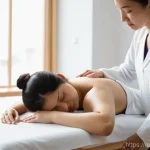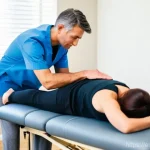
Dealing with scoliosis can feel like a lonely journey, can’t it? I remember those days when I felt constant discomfort, and the thought of surgery or lifelong bracing was just… overwhelming.
Like many of you, I explored every avenue, from conventional physical therapy to various alternative approaches, desperately searching for something that truly resonated with my body and my spirit.
It’s no secret that the medical world is constantly evolving, and a growing trend I’ve noticed among those seeking more personalized care is a deep dive into holistic healing modalities.
This shift is all about looking at the body as an interconnected system, not just a collection of symptoms. I’ve personally delved into the world of Korean Traditional Medicine (KTM), and let me tell you, it’s been an eye-opener.
It offers a unique perspective that focuses on restoring balance and harmony, which, for me, felt like a breath of fresh air after years of feeling like I was just managing symptoms.
The experience taught me so much about my body’s resilience and the incredible wisdom in ancient practices. If you’re curious about what this journey looked like and whether a similar path might be right for you, then let’s get into the nitty-gritty of my personal encounter and what I learned.
Let’s uncover the details together.
Rediscovering Balance: My Journey Beyond Conventional Scoliosis Care
You know, for years, the word ‘scoliosis’ felt like a heavy cloud hanging over me, a constant reminder of something “wrong” with my body. I remember countless appointments, the sterile clinic rooms, and the overwhelming feeling that my only options were bracing or, eventually, surgery. It was exhausting, both physically and emotionally. The discomfort wasn’t just physical; it seeped into my confidence, making me self-conscious about my posture and even how I dressed. It felt like I was perpetually searching for a solution that truly resonated, something that didn’t just manage the symptoms but actually addressed the root cause. This deeply personal quest led me down a path less trodden, one that many in the Western world are only just beginning to truly appreciate: holistic healing. It wasn’t an overnight decision, but rather a slow, deliberate shift in perspective. I felt an undeniable pull towards practices that saw the body as an intricate tapestry, where every thread affects the whole. This was where my adventure with Korean Traditional Medicine (KTM) began, a journey that completely reshaped my understanding of health and my own body’s remarkable ability to heal and find equilibrium.
Embracing a Wholistic Lens for Spinal Wellness
The initial concept of holistic care felt almost revolutionary after years of being told my spine was just a mechanical problem. I’d grown accustomed to assessments that focused solely on curves and angles, completely overlooking the person living with that spine. But the holistic approach, as I quickly learned, is about so much more. It dives deep into understanding how my diet, stress levels, emotional well-being, and even the quality of my sleep were all intricately linked to my physical discomfort and the progression of my scoliosis. It was an eye-opening realization, making me think about my body not as a collection of isolated parts, but as a complex, interconnected ecosystem. I remember the first time a practitioner asked me about my energy levels throughout the day, or how my digestion was – questions that had never come up in a conventional setting. It made me feel seen, truly seen, for the first time in a long while, and it sparked a hope within me that this path might actually offer the comprehensive healing I’d been yearning for.
Unveiling the Root: Beyond Superficial Symptoms
What truly captivated me about this journey was the emphasis on uncovering the underlying imbalances that contributed to my scoliosis. It wasn’t just about the curve itself; it was about *why* the curve might be there in the first place. Was it muscle imbalance, energetic blockages, internal organ disharmony, or a combination of factors? This deeper inquiry felt incredibly empowering. Instead of feeling like a victim of my condition, I became an active participant in understanding its origins. I started paying closer attention to subtle cues my body was sending, cues I had previously ignored or dismissed. This paradigm shift was monumental. It wasn’t about a quick fix, but about a sustainable, long-term approach to wellness that went far beyond merely alleviating pain. It was about restoring a fundamental harmony that had been disrupted, and that, for me, was the most profound difference.
Decoding the Wisdom: Korean Traditional Medicine’s Approach to Scoliosis
Stepping into the world of Korean Traditional Medicine (KTM) was like entering a completely different realm of understanding the body. I remember feeling a mix of curiosity and slight apprehension. Would it be too foreign? Would it truly help? What I found was a system built on centuries of accumulated wisdom, deeply rooted in principles of balance, flow, and individual constitution. Unlike the Western medical approach that often compartmentalizes the body, KTM looks at the bigger picture, viewing the body as a micro-universe interconnected with its environment. When it came to my scoliosis, the practitioners I consulted didn’t just look at my X-rays; they observed my gait, felt my pulse, examined my tongue, and asked detailed questions about my lifestyle, diet, and even my emotional state. It was a holistic assessment that truly felt personalized, addressing me as an individual rather than just a medical case. This comprehensive intake process immediately instilled a sense of trust, as it felt like they were genuinely trying to understand *my* unique story and how it contributed to my spinal health.
The Foundational Pillars: Qi, Blood, and Essence
One of the most fascinating aspects of KTM for me was learning about the concepts of Qi (life force energy), Blood, and Essence. These aren’t just abstract ideas; they’re the vital components that govern our health and well-being. When these elements are in harmony and flow freely, our bodies can maintain balance and heal themselves. In the context of scoliosis, a KTM practitioner explained how blockages or deficiencies in Qi and Blood flow could lead to muscular imbalances, weakness, and ultimately, structural deviations in the spine. It wasn’t about a structural problem in isolation, but a systemic issue that needed to be addressed from within. I remember visualizing my body as a complex river system, and the treatments were like carefully clearing debris and ensuring a smooth, unobstructed current. This perspective was incredibly empowering, as it shifted the focus from a fixed, irreversible condition to a dynamic state that could be influenced and improved through targeted interventions. It taught me patience and a deeper respect for my body’s inherent healing capabilities.
Tailoring Treatment: Acupuncture, Herbal Medicine, and Chuna
The beauty of KTM lies in its highly individualized treatment plans. There’s no one-size-fits-all approach, and I truly appreciated that. My treatment involved a combination of modalities, meticulously chosen based on my specific constitution and the patterns of imbalance identified. Acupuncture became a regular part of my routine, and I still remember the subtle yet profound sensations as those tiny needles worked their magic, releasing tension and stimulating energy flow. Herbal medicine, often prescribed in decoction form, felt like nourishment from within, addressing systemic weaknesses and supporting my body’s natural healing processes. And then there was Chuna therapy, a form of manual manipulation that gently realigned my spine and surrounding structures. It felt like my body was being reminded of its correct posture, a gentle guiding back to its natural alignment. The synergy of these different techniques working together felt incredibly powerful, like a symphony of healing orchestrated just for me. It wasn’t about aggressive adjustments, but a gradual, supportive process that allowed my body to adapt and strengthen at its own pace.
Here’s a snapshot of some common Korean Traditional Medicine approaches and their general focus, based on my understanding and experience:
| Modality | Primary Focus for Scoliosis & General Wellness | My Personal Experience/Feeling |
|---|---|---|
| Acupuncture | Releasing muscle tension, reducing pain, balancing Qi (energy) flow, strengthening weakened areas, calming the nervous system. | Initially a bit apprehensive, but quickly found it incredibly relaxing. Felt a gentle release of tension and improved energy. |
| Herbal Medicine (Hanbang) | Nourishing organs, improving circulation, reducing inflammation, strengthening bones/muscles, addressing underlying constitutional imbalances. | The tastes took some getting used to! But I noticed improved digestion, better sleep, and overall increased vitality. Felt like internal support. |
| Chuna Therapy (Manual Therapy) | Gentle spinal adjustments, correcting misalignments, improving joint mobility, relieving nerve compression, restoring proper posture. | Subtle yet effective adjustments. Felt like my body was being guided back into alignment without any harsh force. Increased flexibility. |
| Cupping Therapy | Improving blood circulation, loosening tight muscles, detoxifying, reducing localized pain and inflammation. | Felt a deep suction and warmth. Afterwards, my back muscles felt significantly looser and less restricted, like a deep tissue massage. |
| Moxibustion | Applying heat to acupuncture points, warming meridians, improving circulation, relieving cold-related pain, strengthening immunity. | A comforting, gentle warmth that felt deeply penetrating. Very soothing for chronic aches and pains, felt like it reached deep into my tissues. |
My Transformation: Unexpected Shifts Beyond My Spine
When I started this journey, my primary goal was, of course, to address my scoliosis. I desperately wanted to alleviate the persistent discomfort and ideally, halt or even reverse the progression of my curve. What I hadn’t anticipated, though, were the ripple effects that this holistic approach would have on my entire well-being. It wasn’t just my back that started to feel better; it was *me*. I remember feeling a lightness in my step, a clarity in my mind that had been clouded by chronic pain and anxiety. My sleep, which had always been fragmented and restless, became deeper and more restorative. I started waking up feeling genuinely refreshed, a sensation I hadn’t experienced in years. My digestion improved, and I noticed a significant reduction in the little aches and pains that I had simply accepted as “normal.” It was as if by bringing my spine into greater balance, my entire internal system began to re-harmonize. This wasn’t just physical healing; it was emotional and mental, too. I felt a renewed sense of connection with my body, learning to listen to its signals rather than just pushing through the discomfort. This unexpected, all-encompassing transformation was truly a testament to the power of looking beyond just the symptoms.
Cultivating Inner Harmony: Emotional and Mental Well-being
One of the most profound shifts I experienced was in my emotional and mental landscape. Dealing with a chronic condition like scoliosis can be incredibly taxing, leading to feelings of frustration, anxiety, and even hopelessness. I certainly had my share of those days. However, as my physical symptoms began to subside with the KTM treatments, I noticed a remarkable change in my mood and outlook. The stress that had been tightly wound in my shoulders and neck began to dissipate, and with it, a pervasive sense of worry. I remember feeling more grounded, more present, and less consumed by negative thoughts about my condition. The practitioners often emphasized the connection between emotional health and physical well-being, and I truly felt that link being mended. It wasn’t just about the herbs or the needles; it was about the overall approach that encouraged a sense of peace and balance. This holistic framework helped me understand that true healing encompasses not just the body, but also the mind and spirit, and feeling that synergy was absolutely life-changing. It taught me invaluable lessons about resilience and self-care that I carry with me to this day.
A Lifestyle Overhaul: Diet, Movement, and Mindfulness
Beyond the clinic visits, my journey into KTM encouraged a complete re-evaluation of my lifestyle. It wasn’t about restrictive diets or grueling workouts, but rather about mindful choices that supported my body’s natural healing capabilities. I became more intentional about what I ate, focusing on whole, nourishing foods that were considered beneficial for my constitution. I started incorporating gentle movements and stretches that were recommended by my practitioners, learning how to move in ways that supported my spine rather than strained it. Mindfulness practices, even simple breathing exercises, became a daily ritual, helping me stay centered and reduce stress. It felt less like a chore and more like an act of self-love, a commitment to nurturing my body from the inside out. This isn’t to say it was always easy; there were days when old habits tried to creep back in. But the consistent progress I saw and felt was a powerful motivator. This comprehensive lifestyle overhaul, guided by the principles of KTM, wasn’t just a temporary fix; it became the foundation for a healthier, more balanced life, far beyond the initial scope of treating my scoliosis.
Sustaining the Progress: Integrating Holistic Habits for Long-Term Wellness

Embarking on this holistic path for my scoliosis wasn’t just about finding relief; it was about laying the groundwork for sustainable well-being. I quickly learned that true healing isn’t a destination, but an ongoing journey. The initial intensive phase of KTM treatments was crucial, but what truly cemented my progress was the commitment to integrating those principles and practices into my daily life. It wasn’t about relying solely on external treatments, but empowering myself to be an active participant in my own health. I remember my practitioner emphasizing the importance of consistent, small actions over time, and that really stuck with me. It’s about cultivating habits that support spinal health and overall vitality, even on days when I feel perfectly fine. This means being attuned to my body’s needs, recognizing early warning signs of discomfort, and knowing how to respond proactively. It’s a profound shift from a reactive approach to a truly preventative and self-empowering one.
Daily Rituals: Nurturing My Spine and Spirit
My days now look quite different than they did before my KTM journey. I’ve incorporated a series of simple yet effective daily rituals that help maintain the balance I worked so hard to achieve. Each morning, I dedicate time to gentle stretches and mobility exercises, focusing on movements that lengthen my spine and strengthen my core. It’s not about pushing my limits, but about mindful engagement with my body. I also pay closer attention to my posture throughout the day, whether I’m sitting at my desk or walking around. It’s a constant, subtle adjustment that makes a huge difference in preventing stiffness and discomfort. And when stress inevitably creeps in, I have a toolkit of techniques, from deep breathing to a short meditation, that help me re-center. These aren’t grand, time-consuming efforts; they are small, consistent acts of self-care that accumulate over time. I genuinely feel like I’m collaborating with my body, rather than battling against it, and that harmonious partnership has been key to my sustained improvement.
Empowerment Through Knowledge: Becoming My Own Advocate
Perhaps one of the most invaluable outcomes of my holistic journey is the knowledge and empowerment I’ve gained. Before, I often felt at the mercy of my condition and medical opinions. Now, I feel equipped with a deeper understanding of my body, its unique constitution, and what it needs to thrive. This doesn’t mean I’ve abandoned conventional medicine entirely; rather, it means I approach my health with a more integrated perspective, understanding when each approach might be most beneficial. I’ve learned to advocate for myself, to ask questions, and to seek out practitioners who align with my philosophy of holistic wellness. This self-awareness extends beyond just my spine; it influences my dietary choices, my stress management techniques, and my overall approach to life. It’s a liberating feeling to know that I have the tools and the insight to actively participate in my own health journey, fostering resilience and preventing future imbalances. This journey truly transformed me into an informed and empowered partner in my own well-being.
Exploring Your Own Path: Is Holistic Care Right for Your Scoliosis?
Looking back, I can honestly say that delving into holistic healing, particularly Korean Traditional Medicine, was one of the best decisions I’ve ever made for my scoliosis. I remember those initial feelings of uncertainty, that apprehension about trying something so different from what I was used to. But the results, both in terms of my physical comfort and my overall well-being, have been nothing short of transformative. It really shifted my entire perspective on health, moving beyond just managing symptoms to truly understanding and nurturing my body as an interconnected system. My spine feels more supported, more aligned, and I experience far less discomfort than I did before. But more than that, I feel a greater sense of peace and empowerment, knowing that I have a deeper understanding of my body and tools to support its natural healing capabilities. If you’ve been feeling frustrated with conventional approaches, or simply yearning for a more personalized and comprehensive path to managing your scoliosis, I truly encourage you to explore the world of holistic care. It might just be the breath of fresh air and the profound shift you’ve been searching for.
Asking the Right Questions: Finding Your Holistic Practitioner
So, how do you even begin if this sounds like a path you’re curious about? It can feel a bit daunting at first, I know. My advice, based on my own experience, is to start by asking questions. Look for practitioners who prioritize a thorough initial assessment, taking the time to understand your entire health history, lifestyle, and even your emotional state. Don’t be afraid to inquire about their specific approach to scoliosis and how it aligns with holistic principles. A good practitioner will educate you, empowering you with knowledge rather than just telling you what to do. They should also be transparent about the treatment plan, expected duration, and what you can do to support your healing journey at home. Trust your gut feeling – finding someone you resonate with and feel comfortable opening up to is incredibly important for a successful holistic healing experience. It’s a partnership, after all, and you want to ensure you have a trusted guide on this deeply personal journey.
Embracing the Journey: Patience and Persistence Pay Off
One final thought that I always share when talking about my holistic healing journey is the importance of patience and persistence. This isn’t a magic bullet or a quick fix. It’s a gradual process of re-balancing and re-educating your body, and that takes time and consistent effort. There might be days when you feel amazing, and other days when progress feels slower. I remember moments of frustration, wondering if I was truly on the right track. But it was in those moments that I reminded myself of the long-term vision, the commitment to nurturing my body from the inside out. Celebrate the small victories, listen intently to what your body is telling you, and trust the process. The dedication you invest in understanding and healing your body holistically will yield profound rewards, not just for your scoliosis, but for your entire life. It’s an investment in yourself, and one that I truly believe is worth every single step.
Wrapping Things Up
And so, my friends, that brings us to the end of this deeply personal dive into my scoliosis journey with Korean Traditional Medicine. It’s been a transformative experience, one that has not only brought me physical relief and greater spinal stability but has also gifted me a profound understanding of my body and its incredible capacity for healing. I truly hope that by sharing my story, I’ve managed to spark a little curiosity in you, perhaps a new perspective on what’s possible when we look beyond conventional boundaries and embrace a more holistic view of health. Remember, your body is a brilliant system, and sometimes, all it needs is the right kind of support and understanding to find its way back to balance.
Useful Information to Know
1. When considering any new health approach, especially one like Korean Traditional Medicine, always start with thorough research. Look for certified practitioners, read reviews, and don’t hesitate to schedule an initial consultation to gauge their approach and philosophy. Think of it as interviewing your future health partner. You want someone who truly listens and resonates with your personal health goals.
2. Be prepared for a comprehensive assessment. Unlike many Western methods that might focus on a single symptom, holistic practitioners often delve into your entire lifestyle, diet, emotional state, and medical history. This can feel exhaustive, but it’s crucial for them to understand the interconnected web of factors influencing your health. Embrace this in-depth inquiry as it paves the way for a truly personalized treatment plan.
3. Patience is truly a virtue in holistic healing. This isn’t usually about quick fixes but about gradual, sustainable change. Your body has likely developed its current patterns over a long time, so unraveling them and establishing new, healthier ones takes consistent effort and time. Celebrate the small improvements along the way, and trust the process—your body is working hard!
4. Consider integrating complementary practices into your routine. While professional treatments like acupuncture or Chuna therapy are invaluable, incorporating simple daily habits can significantly amplify your results. This could be gentle stretches, mindful breathing, dietary adjustments, or even just being more aware of your posture. These small, consistent efforts are powerful allies in your long-term wellness journey.
5. Don’t be afraid to advocate for yourself and your health. If a particular treatment or approach doesn’t feel right, or if you have questions, voice them. You are the expert on your own body and your feelings are valid. Finding a practitioner who empowers you with knowledge and respects your input is key to a successful and fulfilling healing experience. Your journey, your choices!
Key Takeaways
My journey with scoliosis and Korean Traditional Medicine has been a profound lesson in listening to my body and trusting in a more integrated approach to wellness. The biggest takeaway for me is the understanding that true healing extends far beyond addressing just the physical symptoms; it encompasses our emotional, mental, and even spiritual well-being. By embracing a holistic perspective, I found not just relief from my spinal discomfort but a complete rebalancing of my entire system. It truly taught me the power of individualized care, where the focus is on uncovering and addressing the root causes of imbalance rather than merely managing outward signs. The process required dedication and a willingness to explore beyond my comfort zone, but the rewards—a healthier spine, improved energy, better sleep, and a deeper connection with myself—have been absolutely invaluable. This experience has empowered me to be an active participant in my own health, cultivating sustainable habits that support my well-being for the long haul. It’s a journey that I believe can offer immense benefits to anyone seeking a more comprehensive and personalized path to health.
Frequently Asked Questions (FAQ) 📖
Q: When you talk about “holistic healing” for scoliosis, what exactly does that mean in practice, and how is it different from the physical therapy or chiropractic care many of us are already familiar with?
A: That’s a fantastic question, and one I get asked a lot! For me, “holistic healing” truly became about seeing my body not as a collection of symptoms, but as a complete, interconnected system.
While conventional physical therapy and chiropractic care often focus on adjusting the spine or strengthening specific muscle groups, which are absolutely vital, holistic approaches tend to cast a wider net.
It’s about recognizing that everything – from your diet and stress levels to your emotional well-being – can influence your physical health, including your scoliosis.
When I began exploring this path, it felt like we weren’t just treating the curve in my spine, but also trying to understand why my body was creating that pattern in the first place.
It felt incredibly empowering to address my overall health, rather than just chasing the symptoms of discomfort I was experiencing.
Q: You mentioned that Korean Traditional Medicine (KTM) was an “eye-opener” for you. What specifically about KTM’s approach to scoliosis stood out, and how did it feel different from other treatments you’d tried?
A: Oh, KTM truly was a game-changer! What struck me most was its deep emphasis on restoring balance and harmony within the body, which felt like such a novel concept compared to the more mechanical approaches I’d encountered.
Instead of solely focusing on the physical curvature, my practitioners in KTM looked at my entire constitutional makeup. They considered my energy levels, digestion, sleep patterns, and even my emotional state as integral parts of my scoliosis journey.
It wasn’t just about stretches or adjustments; it was about addressing imbalances in my qi, or life energy, and supporting my body’s innate healing capabilities through personalized herbal remedies, acupuncture, and even specific dietary recommendations.
It felt incredibly personalized, like they were tailoring the treatment specifically to my body’s unique story, rather than applying a general protocol.
That felt incredibly refreshing and made me feel truly seen.
Q: Taking the leap into a new healing modality like KTM can be daunting. What was the most surprising or impactful thing you discovered during your personal journey with KTM for scoliosis, and what advice would you give to someone considering a similar path?
A: Honestly, one of the most surprising things for me was realizing just how much mental and emotional stress had been contributing to my physical discomfort.
When I started KTM, I expected to feel physical changes, and I certainly did, but the unexpected clarity and sense of calm that came with it were truly impactful.
It helped me understand that my scoliosis wasn’t just a physical challenge, but a journey that required nurturing my mind and spirit too. My advice to anyone considering a similar path is to approach it with an open mind, but also to trust your gut feeling.
Find practitioners who genuinely listen to you and whose philosophy resonates with your personal beliefs about healing. It’s not a quick fix, and there will be days when you feel amazing and others when you might feel a little frustrated, but embracing the process and celebrating the small victories along the way is key.
For me, it wasn’t just about finding relief; it was about rediscovering my body’s incredible resilience and learning to truly listen to its whispers.