Hey everyone! If you’re anything like me, you know that the relentless agony of back pain can truly hijack your entire life, especially when a herniated disc is the culprit.
It’s that constant ache, that sharp, unwelcome jolt, or the dull throbbing that just refuses to quit, making simple daily tasks feel like monumental challenges.
I’ve personally been down that road, exhaustively exploring every avenue for lasting relief without immediately jumping to invasive surgeries. Lately, there’s been a significant buzz and growing interest around various non-surgical, hands-on approaches, and I’ve been fascinated by the incredible success stories people are sharing.
It’s truly eye-opening how a targeted, expert touch can make such a profound difference when you feel like you’ve exhausted all other options. So, if you’re desperately seeking strategies to reclaim your comfort and get back to living life on your own terms, you’re absolutely in the right spot.
Let’s dive deep into some genuinely effective case studies and explore exactly how these specific treatments can bring real relief.
Ah, the herniated disc. If you’re reading this, you probably know that sinking feeling when that familiar ache or sharp jolt takes hold, making even the simplest movements feel like an Olympic challenge.
I’ve been there, truly, navigating the labyrinth of discomfort and trying to find a way back to a pain-free life without immediately jumping into surgery.
The good news? There’s a whole world of effective, non-surgical approaches out there that are genuinely changing lives. It’s not about quick fixes, but about understanding your body and finding the right blend of expert care and lifestyle adjustments.
So, let’s unpack some of the most promising avenues for relief, because getting your comfort back and living life on your own terms is absolutely within reach.
Demystifying Disc Herniation: More Than Just a “Slipped Disc”

The Real Story Behind Your Pain
When we talk about a “slipped disc,” it often conjures up an image of something literally sliding out of place, but that’s not quite how it works. Our spinal discs are tough, jelly-filled cushions between our vertebrae, acting as shock absorbers and allowing for flexibility.
A herniated disc occurs when the soft, inner gel-like material, known as the nucleus pulposus, pushes through a tear in the tougher outer layer, the annulus fibrosus.
This can then press on nearby nerves, leading to that characteristic back pain, numbness, or radiating pain you feel in your arms or legs, often referred to as sciatica if it’s in the lower back.
It’s a common condition, especially for those between 30 and 50, and it can truly hijack your daily activities, turning routine tasks into monumental challenges.
Living with chronic pain from a herniated disc can be incredibly frustrating, even leading to anxiety and depression, and impacting your ability to enjoy social activities or hobbies.
I remember feeling completely isolated because even a short walk or sitting at my desk became a source of intense agony, which made me feel like I was missing out on life.
It’s a real struggle, and recognizing the true nature of the injury is the first step toward effective treatment.
Why Non-Surgical Solutions Are Gaining Traction
The thought of surgery can be daunting, right? The risks, the recovery time, the potential for complications—it’s enough to make anyone seek alternatives.
Thankfully, a vast majority of herniated disc cases can be successfully managed without invasive procedures, often improving within a few days or weeks with conservative treatment.
This isn’t just wishful thinking; it’s backed by countless success stories and a growing body of evidence supporting non-surgical interventions. People are actively seeking and finding relief through various hands-on therapies, targeted exercises, and mindful lifestyle changes.
The appeal is clear: minimizing risk, avoiding lengthy recovery, and empowering your body to heal naturally. My personal journey has shown me that when you commit to the right non-surgical path, you can regain control and significantly improve your quality of life.
It’s about being proactive and exploring all available options before considering going under the knife. Many healthcare providers now emphasize non-invasive options first, and for good reason—they often work!
Unlocking Relief with Expert Hands: Chiropractic and Osteopathic Care
My Personal Journey with Manual Adjustments
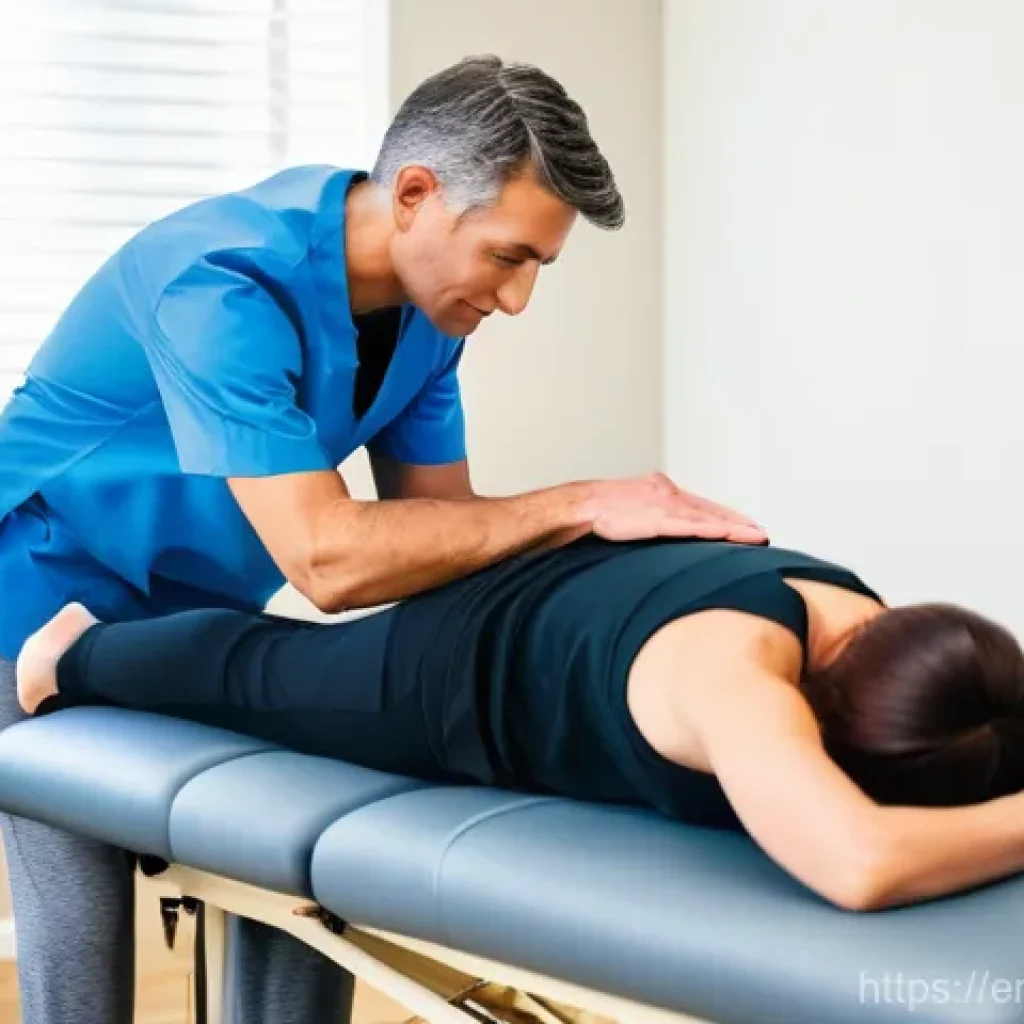
When my back pain became unbearable, one of the first avenues I explored was manual therapy. I’ll be honest, I was a bit skeptical at first, but the idea of someone using their hands to help realign my spine and reduce pressure felt intuitively right.
My experience with a skilled chiropractor was eye-opening. They didn’t just “crack my back” randomly; they performed a thorough assessment, reviewing my MRI and understanding exactly where the herniation was impacting my nerves.
They explained that spinal manipulation could help restore proper joint movement, increase blood flow, and alleviate the pressure on the nerve that was causing so much grief.
During my initial sessions, I felt a subtle shift, a gentle release of tension that I hadn’t realized was holding me captive. It wasn’t a magic bullet overnight, but combined with their guidance on posture and gentle exercises, I started to feel a noticeable reduction in that nagging pain.
It felt like my body was finally getting the signal to start healing itself.
What to Expect from a Skilled Practitioner
If you’re considering chiropractic or osteopathic care, it’s crucial to find a practitioner who truly understands disc herniations. They should prioritize an accurate diagnosis, often reviewing your imaging reports, and focus on targeted, gentle adjustments rather than aggressive manipulations that could potentially aggravate the disc.
Many chiropractors, for example, use a variety of techniques, including gentler instrument-assisted adjustments or traction, especially for sensitive conditions like herniated discs.
Some studies even suggest that spinal manipulation can be moderately effective for low back pain that has lingered for at least a month. The goal is to improve spinal function, reduce nerve irritation, and promote your body’s natural healing processes.
You might experience some immediate relief, but sustained improvement often comes with a series of sessions, much like orthodontics for your teeth – it takes time for the muscle memory to take hold and for your body to adapt to a healthier alignment.
Don’t be afraid to ask questions about their approach and ensure they combine their manual techniques with advice on exercises and lifestyle, creating a truly holistic plan.
The Path to Strength and Stability: Tailored Physical Therapy
Beyond Basic Exercises: Personalized Programs
Physical therapy, or physiotherapy as it’s often called, isn’t just about doing a few stretches and hoping for the best. It’s an absolutely critical component of recovering from a herniated disc, offering a roadmap to reclaiming your movement and strength.
I’ve learned that a personalized physical therapy program is a game-changer because it addresses your specific weaknesses and imbalances. A skilled physical therapist can teach you precise exercises and positions designed to minimize pain, strengthen the muscles supporting your spine (especially your core), and improve your posture.
My therapist, for instance, introduced me to McKenzie extension exercises, which are incredibly effective for certain types of disc bulges, helping to redistribute pressure and alleviate radiating pain.
These aren’t always comfortable at first, but that doesn’t mean you’re causing damage; often, staying active through discomfort, under expert guidance, is the key to improvement.
They’ll guide you through specific movements, often involving gentle presses or mobilizations, that help the disc material potentially reabsorb and take pressure off the nerves.
This isn’t just about pain relief; it’s about building resilience so your back can handle daily demands without flaring up.
Integrating PT into Your Daily Life for Lasting Results
The real magic of physical therapy happens when you consistently apply what you learn in your daily life. It’s not enough to just do your exercises in the clinic; you need to integrate those principles of good posture, proper lifting mechanics, and core engagement into everything you do, from sitting at your desk to picking up groceries.
My therapist emphasized that maintaining a healthy body weight reduces pressure on the spine, and engaging in low-impact activities like walking, swimming, or gentle yoga can significantly strengthen supporting muscles and improve flexibility, reducing the risk of recurrence.
They also helped me understand how prolonged static positions, like sitting for too long, can worsen symptoms, stressing the importance of regular breaks to walk and stretch.
This holistic approach is what truly empowers you to take control of your recovery. It’s about building new habits, becoming more body-aware, and making those small, consistent changes that lead to profound long-term results.
Trust me, the effort you put into integrating PT into your lifestyle pays dividends you can’t even imagine.
When Pain Needs a Direct Hit: Injections and Medications
Epidural Injections: A Temporary Truce
Sometimes, the pain from a herniated disc is so intense that it makes engaging in physical therapy or even getting good sleep incredibly difficult. In these situations, your doctor might suggest an epidural steroid injection (ESI).
I know several people who have opted for these, and while they aren’t a cure, they can offer a much-needed temporary reprieve from severe pain and inflammation.
An ESI involves injecting an anti-inflammatory medication directly into the epidural space around your spinal nerves. This can significantly reduce the swelling and pressure on the irritated nerve, which is often the source of that excruciating radiating pain.
For some, it provides enough relief to finally participate effectively in physical therapy, which is crucial for long-term recovery. Studies suggest that up to 70% of people with radicular pain from a herniated disc feel at least 50% better one to two months after an ESI, with some experiencing relief for up to 12 months.
However, it’s vital to remember that these are tools for pain management, not a fix for the underlying mechanical issue, and their benefits can decline over time.
Understanding Your Medication Options
Beyond injections, there are various medications your healthcare provider might consider to help manage herniated disc pain. For mild to moderate pain, over-the-counter options like ibuprofen or acetaminophen can be helpful.
If muscle spasms are a major component of your discomfort, muscle relaxers might be prescribed to help ease that intense tightness. For nerve-related pain, sometimes called neuropathic pain, specific drugs that affect nerve impulses can be used.
It’s important to discuss all your symptoms and any other medications you’re taking with your doctor, as they can help determine the most appropriate course of action for you.
While medications can be incredibly helpful in making the pain manageable, they’re generally part of a broader treatment plan that includes physical therapy and lifestyle modifications.
My personal experience has been that they act as a bridge, allowing you to get to a point where you can actively participate in your recovery without being overwhelmed by constant pain.
Mind-Body Synergy: The Crucial Role of Lifestyle and Mental Well-being

Stress, Sleep, and Spinal Health: It’s All Connected
When you’re dealing with a herniated disc, it’s easy to get tunnel vision, focusing solely on the physical pain. But I’ve learned that our bodies are incredibly interconnected, and things like stress and sleep play a massive role in recovery.
Chronic stress can lead to muscle tension around the spine, increasing pressure and exacerbating pain. It’s a vicious cycle: pain causes stress, stress tightens muscles, and tightened muscles make the pain worse.
Finding effective stress-reduction techniques, whether it’s through hobbies, deep breathing, or mindfulness, can genuinely make a difference. And sleep?
Oh, sleep is vital for recovery. Your body repairs itself and regenerates damaged tissues while you sleep. I remember nights where the pain made it impossible to find a comfortable position, leading to fatigue that just made everything feel worse.
Learning to adjust my sleeping position – like placing a pillow under my knees if I was on my back, or between my legs if on my side – helped immensely in minimizing spinal pressure and getting quality rest.
It’s about creating an environment where your body can heal, both physically and mentally.
Fueling Your Recovery: Nutrition and Hydration
What you put into your body directly impacts your body’s ability to heal and recover. It might not be the first thing you think of when dealing with a disc herniation, but nutrition and hydration are absolutely fundamental.
Staying adequately hydrated is crucial because our spinal discs are largely composed of water, and proper hydration helps maintain their plumpness and function.
Think of it like a sponge – a dry sponge is stiff and brittle, but a hydrated one is flexible and resilient. Similarly, a balanced diet rich in nutrient-dense foods like fruits, vegetables, lean proteins, and healthy fats provides the building blocks your body needs for tissue repair and to reduce inflammation.
On the flip side, foods high in refined sugars and saturated fats can contribute to weight gain and increase inflammation, which is the last thing you need when your body is trying to heal.
Maintaining a healthy body weight is also critical; every extra pound puts more pressure on your spine, particularly the lower back. Making these dietary adjustments isn’t just about managing pain; it’s about actively supporting your spine’s long-term health and preventing further deterioration.
Cutting-Edge Alternatives: Exploring Other Non-Invasive Routes
Decompression Therapy: Gentle Relief
Spinal decompression therapy is another fascinating non-surgical option that many people, including myself, have found beneficial. It’s a specialized form of mechanical traction that gently stretches the spine, aiming to alleviate pressure on the spinal discs and surrounding nerves.
The idea is that by creating a negative pressure within the targeted disc space, it can encourage bulging or herniated discs to retract and promote the movement of water, oxygen, and nutrient-rich fluids into the discs, kickstarting the healing process.
I remember the sensation during my sessions – a subtle, rhythmic stretching that felt incredibly relieving. It’s often computer-controlled, ensuring precise and safe application of force.
For conditions like herniated or bulging discs, sciatica, and degenerative disc disease, studies have shown success rates ranging from 70% to 90% in reducing pain and improving mobility.
While it’s not a “one-and-done” solution and usually requires multiple sessions (typically 20-30 for full results), many patients report noticeable pain reduction and improved flexibility after just a few treatments.
It’s a really promising path for those looking for a minimally invasive approach to disc relief.
Acupuncture and Its Surprising Benefits
Acupuncture, an ancient practice rooted in traditional Chinese medicine, has been gaining significant recognition in Western medicine for its potential in treating various conditions, including herniated discs.
It involves the insertion of thin needles into specific points on the body, aiming to balance energy flow, reduce inflammation, and alleviate tension.
My curiosity led me to try it, and I was genuinely surprised by the calming effect it had and the subtle, yet distinct, pain relief I experienced. Research has explored its efficacy quite a bit, with some studies reporting pain relief and improved function in patients with chronic low back pain related to disc issues.
A meta-analysis even showed that acupuncture had a higher total effective rate than lumbar traction and several common NSAIDs for lumbar disc herniation.
It’s thought to work by increasing blood flow, reducing inflammation, and stimulating the body’s natural painkillers. For me, it became a valuable complementary therapy that helped reduce my reliance on medications.
If you’re open to exploring alternative methods, acupuncture is definitely worth considering. Always make sure you find a qualified and experienced practitioner, of course.
| Non-Surgical Treatment | How It Works | Key Benefits | Considerations |
|---|---|---|---|
| Chiropractic/Osteopathic Care | Manual adjustments and manipulations to restore spinal alignment and reduce nerve pressure. | Improves joint mobility, reduces nerve irritation, enhances natural healing. | Requires skilled practitioner; can offer moderate relief for chronic low back pain. |
| Physical Therapy | Tailored exercises to strengthen core muscles, improve flexibility, and correct posture. | Builds long-term strength and stability, reduces recurrence risk, empowers self-management. | Consistency is key; personalized programs are more effective than generic ones. |
| Epidural Steroid Injections | Anti-inflammatory medication injected into the epidural space around spinal nerves. | Provides temporary relief from severe pain and inflammation, can enable participation in PT. | Temporary solution, not a cure; benefits may decline over time. |
| Spinal Decompression | Gentle, mechanical stretching of the spine to create negative pressure in discs. | Reduces disc pressure, promotes retraction of herniations, encourages nutrient flow. | Requires multiple sessions; effective for mild to moderate disc conditions. |
| Acupuncture | Insertion of thin needles into specific body points to balance energy and reduce pain. | Relieves pain, reduces inflammation, improves blood circulation, offers a holistic approach. | Effective for pain relief; finding a qualified practitioner is important. |
| Lifestyle Modifications | Maintaining healthy weight, proper posture, regular low-impact exercise, stress management, good sleep, nutrition. | Supports overall spinal health, prevents further deterioration, empowers long-term wellness. | Requires commitment and discipline; fundamental to all other treatments. |
Crafting Your Long-Term Game Plan: Sustainable Wellness
Proactive Steps to Prevent Recurrence
Finding relief from a herniated disc is one thing, but maintaining that relief and preventing future flare-ups is an entirely different ball game – and it’s one you absolutely want to win!
My journey has taught me that being proactive is everything. It’s about building a sustainable wellness routine into your daily life. This means consistently applying all those good habits we’ve talked about: maintaining good posture, especially when sitting or lifting; integrating low-impact exercises like walking, swimming, or yoga into your week; and being mindful of how your body moves.
Strengthening your core muscles, in particular, acts like a natural brace for your spine, providing critical support and reducing the strain on your discs.
I’ve personally found that regular, gentle stretching helps keep my spine flexible and happy. It’s not about being rigid, but about listening to your body, recognizing early warning signs, and making small adjustments before a minor ache escalates into something more serious.
Think of it as investing in your future self – every conscious choice you make today contributes to a healthier, pain-free tomorrow.
Assembling Your Support System
You don’t have to go through this alone, and honestly, trying to can make the journey so much harder. Building a strong support system is just as crucial as any physical treatment.
This includes a team of healthcare professionals who are on your side – a primary care doctor, a physical therapist, perhaps a chiropractor, or even an acupuncturist.
They should all be communicating and working together to create a cohesive plan tailored for you. But it goes beyond the professionals. Lean on your friends and family.
Let them know what you’re going through and how they can help, whether it’s reminding you to take breaks, helping with heavy lifting, or simply offering a sympathetic ear.
I’ve found that having people around who understand and encourage you makes a world of difference for your mental and emotional well-being, which, as we discussed, is deeply intertwined with physical recovery.
Joining online communities or local support groups can also provide invaluable insights and a sense of camaraderie with others who truly “get it.” Remember, chronic pain can be isolating, but with the right network, you’ll feel empowered and supported every step of the way towards a life where disc pain no longer dictates your terms.
Wrapping Things Up
Navigating the choppy waters of a herniated disc can feel overwhelming, like you’re constantly bracing for the next wave of pain. But I truly hope this deep dive into non-surgical treatments has shown you that there’s a real beacon of hope out there. It’s not about passively waiting for things to get better; it’s about actively engaging with your body, seeking out the right experts, and making informed choices that empower your healing journey. Remember, your body is incredibly resilient, and with the right support, tools, and a healthy dose of patience, you absolutely can reclaim your comfort and get back to living life on your own terms. I’ve seen it, I’ve lived it, and I know it’s possible for you too.
Handy Tips for Your Healing Journey
1. Master Your Ergonomics (Seriously!): This isn’t just about fancy chairs; it’s about creating a living and working environment that supports your spine, not stresses it. When you’re sitting, ensure your feet are flat on the floor, your knees are level with or slightly higher than your hips, and your back is aligned with your chair, ideally with lumbar support. I personally found that even a rolled-up towel placed in the small of my back made a huge difference during long work sessions. If you have a desk job, consider alternating between sitting and standing, and make sure your computer monitor is at eye level to prevent neck strain. These small, consistent adjustments throughout your day can significantly reduce pressure on your discs and prevent flare-ups, allowing your body the space it needs to heal. Don’t underestimate the power of how you position yourself; it’s a silent hero in disc recovery.
2. Hydration and Nutrition are Your Spinal BFFs: You might think of hydration for your skin or general health, but it’s absolutely crucial for your spinal discs! Our discs are mostly water, and adequate hydration helps them stay plump, flexible, and capable of absorbing shock. Think of a dry sponge versus a wet one – your discs need to be like that resilient, wet sponge. I always keep a water bottle nearby, and it’s become a non-negotiable part of my routine. Beyond water, embracing an anti-inflammatory diet can do wonders. Focus on fresh fruits, leafy green vegetables, healthy fats like olive oil, and fatty fish. Conversely, try to limit processed foods, refined sugars, and excessive red meat, which can contribute to inflammation and hinder your body’s healing processes. What you consume quite literally builds and repairs your body, so give your spine the best building blocks possible!
3. Movement is Medicine, but Listen to Your Body: While rest might seem appealing when you’re in pain, prolonged bed rest can actually be detrimental, leading to stiffness and muscle weakness that complicates recovery. My physical therapist always reminded me that gentle, consistent movement is key. Activities like walking, swimming, or gentle yoga are fantastic for strengthening supporting muscles, improving flexibility, and increasing blood flow, which aids healing without jarring the spine. However, it’s vital to distinguish between general discomfort from building strength and sharp, increasing pain. If an exercise causes pain or makes it worse, stop and consult your healthcare provider. The goal is to slowly and progressively increase your activity level, building resilience without pushing into reinjury. This balance is something I’ve personally had to learn and relearn, and it’s a huge part of long-term success.
4. Build Your Dream Team of Practitioners: When facing a herniated disc, you don’t have to navigate it alone. Creating a cohesive healthcare team has been invaluable for me. This could include your primary care physician, a physical therapist, a chiropractor, or even an acupuncturist, all working in concert towards your recovery. When choosing a physical therapist, for example, look for someone who not only has the right clinical qualifications but also listens to you, provides one-on-one time, and teaches you how to manage your condition long-term, rather than just telling you what to do. This collaborative approach ensures that your treatment plan is holistic, addresses all facets of your pain, and evolves as your body heals. Don’t be afraid to seek second opinions or ask questions; finding practitioners who truly understand your specific situation and communicate well is paramount to a successful outcome.
5. Cultivate Mental Resilience and Tackle Fear-Avoidance: Living with chronic pain, especially from a herniated disc, can take a heavy toll on your mental well-being. It’s easy to fall into a cycle of fear and avoidance, where you limit activities because you’re afraid of causing more pain or injury. I’ve definitely had moments where the fear of that sharp jolt kept me from even trying simple movements. However, research increasingly shows that psychological resilience—your ability to cope with pain and maintain a positive attitude—is a stronger predictor of physical activity than pain intensity itself. Incorporating mindfulness techniques like meditation or deep breathing can help you manage stress, reduce anxiety, and even alter your perception of pain. Confronting your fears, under the guidance of a professional, and understanding that pain doesn’t always equal damage, are critical steps toward breaking this cycle and reclaiming your life.
Key Takeaways
Navigating a herniated disc without surgery is absolutely achievable for most people, and it hinges on a multifaceted, proactive approach. By prioritizing proper ergonomics, nourishing your body with an anti-inflammatory diet and sufficient hydration, embracing consistent yet gentle movement, and building a supportive healthcare team, you lay a strong foundation for healing. Crucially, addressing the mental and emotional aspects of chronic pain, like cultivating resilience and overcoming fear-avoidance, empowers you to break free from limitations. Remember, your body is capable of incredible healing, and with dedication to these principles, you can significantly improve your quality of life and manage disc pain effectively in the long run.
Frequently Asked Questions (FAQ) 📖
Q: What exactly are these “non-surgical, hands-on approaches” you keep hearing about for a herniated disc, and do they actually work?
A: Oh, this is such a common and crucial question, and trust me, when you’re in the throes of disc pain, you want answers that actually make a difference!
When I talk about “non-surgical, hands-on approaches,” I’m really referring to a whole spectrum of treatments that focus on manually addressing the root cause of your pain without ever going under the knife.
Think things like specialized physical therapy, chiropractic care, and osteopathy. These aren’t just generic massages, mind you. These are targeted, expert interventions.
For instance, many physical therapists employ techniques like McKenzie exercises, which aim to centralize the pain and reduce disc protrusion through specific movements, or they might use spinal mobilization to improve joint movement.
Chiropractors often use spinal adjustments to realign vertebrae, which can take pressure off the disc and nerves. I remember feeling so much relief after a few sessions where my practitioner focused on decompressing my spine, it was truly transformative.
The goal isn’t just temporary relief; it’s about restoring proper spinal mechanics, strengthening supporting muscles, and improving your overall posture to prevent future issues.
And do they work? Absolutely, for many people, myself included! It’s not a magic bullet for everyone, but the success stories, mine among them, are incredibly compelling.
It’s about finding the right approach and a skilled practitioner who truly understands your specific disc issue.
Q: How do I know if these non-surgical methods are the right path for my particular herniated disc situation?
A: That’s a fantastic question, because what works for one person might not be the best fit for another, even with similar symptoms. When I was exploring my options, I realized that getting a proper diagnosis was step one.
Before diving into any hands-on therapy, you really need to consult with a medical professional – your primary care doctor, an orthopedist, or a physiatrist (a rehabilitation medicine specialist).
They can order imaging like an MRI to confirm the herniated disc, pinpoint its exact location, and assess the degree of nerve compression. Once you have that clarity, you can discuss if non-surgical options are suitable.
Generally, these approaches are often recommended for those experiencing pain, numbness, or weakness that isn’t rapidly progressing or causing severe neurological deficits like foot drop or loss of bowel/bladder control.
If you’re experiencing those more alarming symptoms, surgery might be a more urgent consideration. But for persistent, nagging pain, or even significant radicular pain (that shooting pain down your leg or arm), non-surgical routes are usually the first line of defense.
The best way to know if it’s right for you is through an open, honest conversation with your doctor about your symptoms, your lifestyle, and your goals.
They can help guide you to the right type of therapist who specializes in spinal conditions.
Q: What kind of results can I realistically expect from these treatments, and how long does it typically take to feel real relief?
A: This is where expectations management comes in, and it’s something I wish I’d understood better at the beginning of my own journey. Realistically, you should expect gradual improvement, not an instant fix.
It’s rarely like flipping a switch where the pain just disappears overnight. Think of it more like rebuilding a house that’s developed some structural issues – it takes time, consistent effort, and a skilled hand.
Many people start feeling noticeable relief within a few weeks of consistent therapy. For me, the sharpest pains began to subside within about 3-4 weeks, but getting back to feeling “normal” and truly stable took a few months of dedicated work.
It’s common to have a course of treatment lasting anywhere from 6 to 12 weeks, sometimes longer depending on the severity of the disc herniation and your body’s response.
During this time, you might have regular sessions with your therapist, coupled with a personalized exercise program to do at home. The goal isn’t just pain reduction; it’s about increasing your functional mobility, strengthening your core, and learning strategies to prevent re-injury.
Long-term success often depends on your commitment to continuing those exercises and maintaining good posture even after formal therapy ends. It’s an investment in your well-being, and while it requires patience, the payoff of reclaiming your life from chronic pain is absolutely worth every bit of effort.