Hey there, amazing people! If you’ve ever dealt with that relentless, nagging pain from a disc issue—whether it’s in your back, neck, or anywhere else—you know just how much it can steal your joy and sideline you from the things you love.
Trust me, I’ve had my share of those “ugh” moments, feeling like I’d tried every trick in the book just to get a few hours of relief. It’s tough when you’re constantly searching for something that truly helps, beyond just temporary fixes, right?
Well, lately, I’ve been hearing and seeing some truly inspiring stories about how acupuncture is making a significant difference for many, providing a gentle yet powerful path to feeling better.
It’s a game-changer for those seeking real, lasting comfort. So, let’s dive deeper into this fascinating healing journey right here.
Understanding How Acupuncture Gently Targets Disc Pain
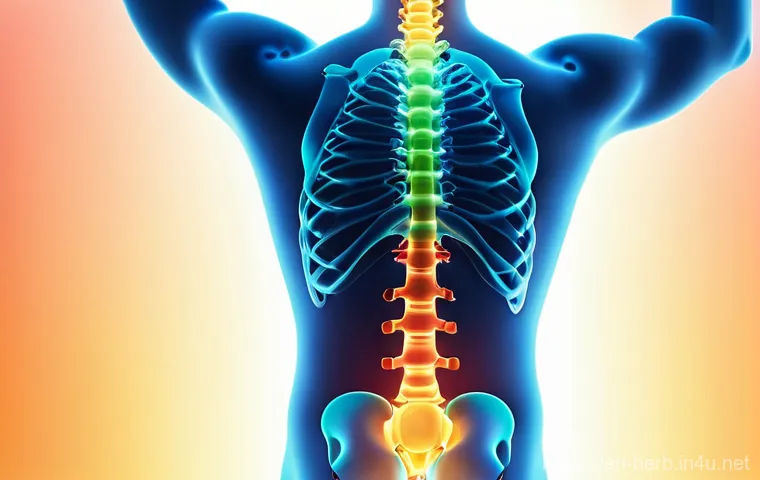
When you’re dealing with a disc issue, the pain can feel overwhelming, radiating from your back or neck and sometimes shooting down your limbs. It’s a deeply uncomfortable experience that often leaves us searching for anything that can offer genuine relief. Acupuncture, with its ancient roots, offers a remarkably effective approach that feels refreshingly different from other treatments I’ve explored. It works by gently stimulating specific points on your body, almost like hitting a reset button for your nervous system. This stimulation encourages your body to kickstart its natural healing processes, which is just incredible when you think about it. The goal is to restore balance and reduce the intensity of that nagging pain, getting you back to feeling more like yourself again. From what I’ve seen and personally felt, it’s not about masking the pain but truly helping your body mend itself.
Beyond the Needles: The Body’s Natural Response
It’s fascinating to consider what’s happening beneath the surface when those tiny needles are in place. Many folks, myself included, might initially wonder, “How can this really help?” But the science behind it is pretty compelling. Acupuncture actually increases blood flow to the affected area, which is vital because discs often have poor circulation, making healing a slow process. Think of it like a gentle flush, bringing fresh nutrients and oxygen to where they’re desperately needed. Moreover, it triggers your body to release its own powerful, natural pain-relieving chemicals—we’re talking endorphins and enkephalins here. These are your body’s internal pharmacy, and they’re incredibly effective at alleviating discomfort and reducing inflammation. This mechanism helps to relax tight muscles that often go into spasm around an injured disc, offering much-needed relief. It’s truly a holistic approach that taps into your body’s inherent wisdom to heal.
Targeting Inflammation and Muscle Tension
One of the biggest culprits behind disc pain, as many of us know all too well, is inflammation and the intense muscle tension that often accompanies it. When a disc is irritated or herniated, the surrounding muscles can seize up in an attempt to protect the area, leading to even more pain and stiffness. It’s a vicious cycle, isn’t it? What I’ve found so effective with acupuncture is its ability to directly address both these issues. By stimulating specific points, it helps to calm that inflammatory response, reducing swelling and irritation around the nerves. Simultaneously, it promotes muscle relaxation, easing those painful spasms and allowing your body to move more freely. This dual action is a game-changer because it tackles both the pain signals and the physical restrictions, paving the way for sustained comfort and improved mobility.
My Journey and What to Expect During a Session
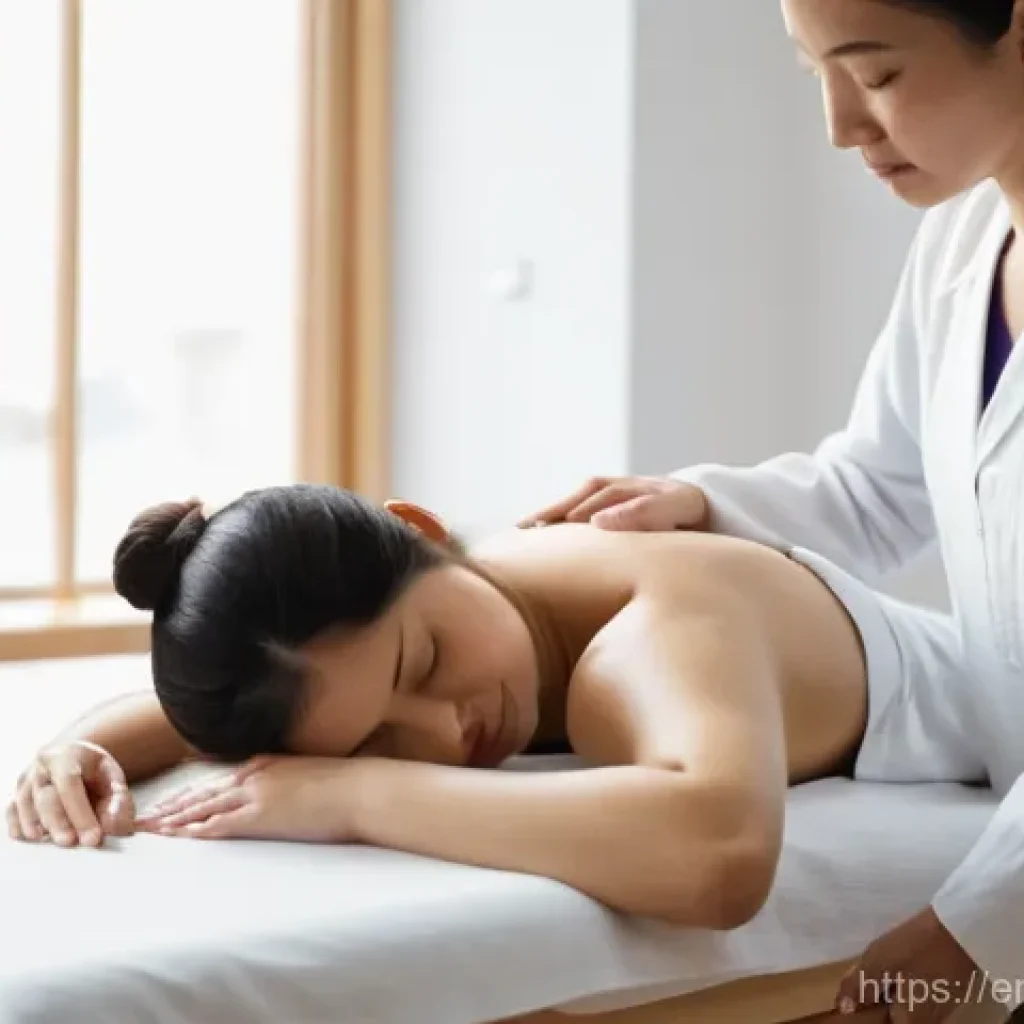
I remember my first acupuncture session for a particularly stubborn disc issue, and honestly, I was a bundle of nerves. I had heard all sorts of things, but walking in, I was met with such a calm and serene environment. It really made a difference in easing my apprehension. The practitioner took the time to chat with me, truly listening to my story, my pain, and what I was hoping to achieve. This personalized approach felt incredibly reassuring. They explained everything step-by-step, making sure I felt comfortable and informed throughout the process. It wasn’t just about sticking needles in; it was about understanding my body’s unique needs and creating a tailored plan. That initial consultation is key, I’ve learned, because it sets the stage for a truly effective treatment. It’s a far cry from a quick doctor’s visit where you feel rushed and unheard.
Preparing for Your First Visit and the Needle Sensation
If you’re considering your first session, let me offer a few friendly tips that I wish I’d known. First off, wear something loose and comfortable. Trust me on this one; you’ll be lying still for a bit, and feeling restricted is the last thing you want. Also, it’s a good idea to eat a light snack beforehand – a full stomach can feel uncomfortable, but an empty one can leave you feeling a bit woozy. During the actual session, the needles are incredibly fine, much thinner than what you’d see at a doctor’s office. When they’re inserted, you might feel a tiny prick, almost like a mosquito bite, but it’s usually very brief. After that, you might experience a dull ache, a slight tingling, or a warm sensation at the point, which is often described as “De Qi” – a sign that the energy is being stimulated. For me, it was mostly a subtle, heavy feeling, and within seconds, any initial discomfort faded into a profound sense of calm.
The Session Itself: Relaxation and After-Effects
Once the needles are in place, the practitioner typically leaves them for about 15 to 30 minutes, sometimes longer. This is your time to just relax. The room is usually quiet, often with soft music or dim lighting, creating a truly peaceful atmosphere. I’ve even nodded off during sessions, which tells you how deeply relaxing it can be! The key is to try and keep still and breathe deeply, allowing your body to respond to the treatment. After the needles are removed, you might feel a range of things. Sometimes I feel incredibly light and refreshed, almost floaty. Other times, I’m just wonderfully relaxed, bordering on sleepy. It’s also common to feel a slight soreness at the needle sites, but this is usually fleeting. The advice I always follow is to take it easy for the rest of the day, stay hydrated, and just let your body integrate the healing. It’s not a quick fix, but a cumulative process, and each session builds on the last.
Finding Your Perfect Healing Partner: Choosing an Acupuncturist
Embarking on any new healing journey, especially when it involves something as personal as your body and pain, means finding the right guide. Choosing an acupuncturist isn’t something to rush; it’s about finding someone who not only has the expertise but also makes you feel completely at ease. I’ve learned that a truly great practitioner is someone you can openly communicate with, who understands your unique situation, and who instills confidence in their approach. It’s like finding a trusted confidante for your physical well-being. Think about it: you’re entrusting them with your health, so doing your homework is absolutely essential to ensure a positive and effective experience.
Credentials, Experience, and Communication Style
First things first, always look for someone who is licensed and certified. In the US, for example, a National Certification Commission for Acupuncture and Oriental Medicine (NCCAOM) credential is a strong indicator of a qualified practitioner. This shows they’ve met high standards of training and skill. But beyond the certificates, experience truly matters, especially if your disc issue is particularly complex. Don’t be shy about asking how long they’ve been practicing and if they have specific experience treating conditions like yours. I always recommend paying attention to their communication style during an initial consultation. Do they welcome your questions? Do they explain things in a way that makes sense to you, or do they use jargon that leaves you scratching your head? You want someone who is patient, empathetic, and genuinely interested in your well-being.
Clinic Environment and Patient Feedback
Beyond the practitioner themselves, the clinic environment plays a huge role in your overall experience. Before committing, I always suggest scheduling a visit, if possible. Take a look around: is it clean, calm, and welcoming? You want a space where you feel you can truly relax and let your guard down. Pay attention to the professionalism of the staff and the general vibe. Online reviews and patient satisfaction surveys can also be incredibly insightful. They offer a peek into other people’s experiences with scheduling, wait times, and how the practice is run. While every experience is personal, consistent positive feedback about cleanliness, a welcoming atmosphere, and effective treatment can give you a lot of confidence in your choice. Ultimately, trust your gut feeling – if it doesn’t feel right, it probably isn’t.
Acupuncture as a Team Player: Complementary Therapies
One of the biggest lessons I’ve learned on my healing journey is that sometimes, one therapy alone isn’t enough to tackle a stubborn disc issue. It’s often about finding the right combination of approaches that work together synergistically. I’ve found that acupuncture truly shines as a team player, seamlessly integrating with other treatments to amplify their benefits. It’s not about choosing one over the other, but rather creating a comprehensive strategy that addresses your pain from multiple angles. This integrated approach can often lead to more profound and lasting relief, helping your body heal more effectively than it might with just a single modality. It’s about building a robust support system for your spine.
Boosting Physical Therapy and Chiropractic Care
Many people, myself included, have found that combining acupuncture with physical therapy or chiropractic care can be incredibly powerful. Acupuncture helps to prepare your body for these other therapies by reducing pain and inflammation, and by relaxing those tight muscles. Imagine going into a physical therapy session feeling less stiff and in less pain—you’ll naturally be able to engage more fully with the exercises and movements, making your therapy much more effective. It’s like acupuncture loosens the soil, allowing the seeds of other treatments to take root and flourish. This combination can help improve your range of motion, strengthen the muscles supporting your spine, and ultimately, aid in preventing future flare-ups. It’s a smart way to ensure you’re getting the most out of every aspect of your recovery plan.
The Role of Massage and Lifestyle Adjustments
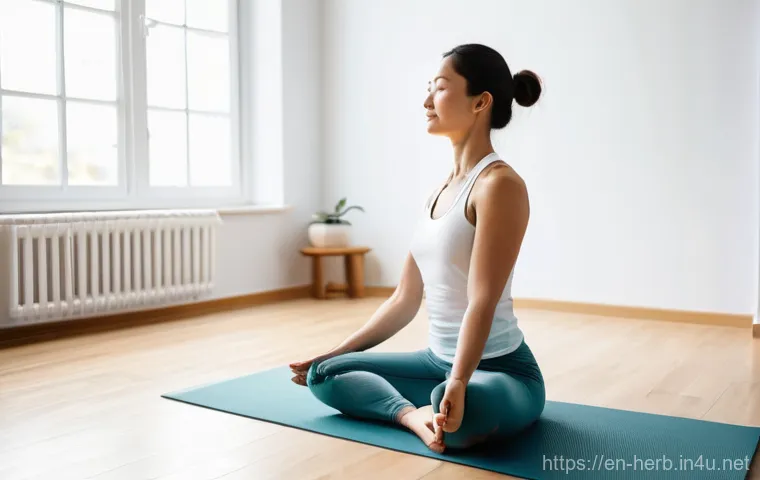
Beyond professional therapies, simple lifestyle adjustments and complementary practices like massage can significantly enhance the effects of acupuncture for disc pain. Regular, gentle massage can help release residual muscle tension and improve local circulation, making the area more receptive to acupuncture’s healing touch. I’ve also found that paying close attention to my posture, incorporating light, mindful movement into my day (think gentle stretching or walking), and maintaining good hydration all contribute to keeping my spine happy and healthy. These seemingly small changes, when combined with consistent acupuncture treatments, create a powerful self-care routine. It’s about being an active participant in your own healing, nurturing your body in every way possible to support its recovery.
| Aspect of Disc Pain | How Acupuncture Helps | Complementary Therapy Boost |
|---|---|---|
| Acute Pain & Inflammation | Releases natural pain-relievers, reduces inflammatory markers, increases blood flow. | Cold therapy, anti-inflammatory herbs/supplements. |
| Muscle Spasms & Stiffness | Relaxes tight muscles, improves local circulation, signals nervous system to calm. | Therapeutic massage, gentle stretching, heat therapy. |
| Nerve Compression Symptoms (e.g., Sciatica) | Reduces swelling around nerves, modulates pain signals, promotes nerve healing. | Physical therapy (nerve glides), chiropractic adjustments, ergonomic support. |
| Long-Term Function & Mobility | Enhances tissue repair, strengthens paraspinal muscles, improves overall spinal stability. | Strength training (core stability), postural exercises, ergonomic workspace setup. |
Real Stories: When Relief Becomes Reality
It’s one thing to talk about the mechanisms and benefits of acupuncture, but it’s another entirely to hear about the real-life transformations. When you’ve been living with chronic disc pain, finding something that truly works feels like a miracle. I’ve heard so many stories, and even experienced it myself, where people had almost given up hope after trying countless other treatments—medication, injections, even considering surgery—only to find profound relief with acupuncture. These aren’t just temporary fixes; for many, it’s about reclaiming their lives, getting back to hobbies, playing with their kids, or simply enjoying a pain-free day. The joy in their voices when they describe being able to move freely again, without that constant, debilitating ache, is truly heartwarming and incredibly motivating.
From Skepticism to Significant Improvement
I totally get it; there’s often an initial skepticism. I’ve been there! The idea of tiny needles alleviating such intense pain can seem a bit far-fetched if you’re only familiar with Western medicine. But time and again, I hear accounts from people who were initially doubtful, just like I was, only to become staunch believers. One person I know had a herniated disc causing terrible sciatica, and after just a few sessions, the shooting pain down their leg significantly decreased. Another friend found that their chronic neck pain, which had resisted physical therapy for months, started to subside with a consistent acupuncture regimen. These personal journeys of moving from constant discomfort to noticeable improvement are incredibly powerful and speak volumes about acupuncture’s potential. It’s not magic, but it certainly feels pretty close when you experience that shift.
The Gift of Lasting Comfort and Mobility
What really resonates with me about these stories is the sense of lasting change. It’s not just about getting through the next few hours; it’s about sustainable comfort and a genuine return to functionality. Studies have even shown that the pain-relieving effects of acupuncture can be sustained for extended periods, sometimes for months or even years after treatment. This long-term benefit is huge, especially for chronic disc issues that can be so disruptive to daily life. Imagine waking up without that familiar stiffness, being able to bend, lift, and move without a second thought. That’s the kind of freedom acupuncture has offered so many, and it’s a testament to its profound impact beyond just temporary pain management. It’s about getting your quality of life back.
Making Acupuncture a Part of Your Wellness Routine
Integrating acupuncture into your broader wellness routine isn’t just about managing acute pain; it’s about fostering long-term spinal health and overall well-being. Think of it less as a one-off treatment and more as a proactive step towards maintaining balance in your body. From my own experience, consistent sessions, even after the initial pain subsides, have been instrumental in keeping disc issues at bay and generally feeling more aligned and energetic. It’s about listening to your body, understanding its signals, and providing it with the support it needs to stay resilient. This proactive approach can make a huge difference in preventing those dreaded flare-ups and keeping you moving freely.
Consistency is Key for Sustained Benefits
Just like with any good exercise routine or healthy eating plan, consistency is truly the secret sauce when it comes to acupuncture for disc issues. While you might feel some relief after just one or two sessions, the real, lasting benefits often build up over time. Many practitioners recommend a course of several sessions, especially in the beginning, to address the underlying imbalances and promote deeper healing. I’ve found that sticking to a regular schedule, even when I’m feeling pretty good, helps to maintain that equilibrium in my body and keeps those disc-related niggles from creeping back in. It’s an investment in your long-term comfort and mobility, and it definitely pays off in how much better you feel day-to-day.
Listening to Your Body and Preventing Recurrence
One of the greatest gifts acupuncture has given me is a heightened awareness of my own body. It teaches you to tune into those subtle signals before they escalate into full-blown pain. This newfound awareness, combined with the balancing effects of acupuncture, is fantastic for preventing recurrence. Your practitioner can also offer valuable advice on lifestyle adjustments – things like ergonomic improvements at your desk, specific stretches, or even dietary considerations that support spinal health. It’s about creating a comprehensive strategy that empowers you to take control of your well-being. By taking a proactive and consistent approach, you’re not just treating symptoms; you’re building a stronger, more resilient you.
글을 마치며
Well, friends, as we wrap up our deep dive into acupuncture for disc pain, I hope you’re feeling as inspired as I am about this incredible healing path. It’s truly been a game-changer for so many, offering a gentle yet powerful way to reclaim comfort and mobility from the grip of relentless pain. Remember, your journey to wellness is unique, and finding the right approach, or combination of approaches, is all about listening to your body and trusting your instincts. Don’t be afraid to explore options that resonate with you, because feeling better isn’t just a dream – it’s an achievable reality. Here’s to moving freely and living fully!
알아두면 쓸모 있는 정보
1. Before your first acupuncture session, it’s a great idea to check with your insurance provider to see if acupuncture treatments are covered. Policies vary widely, so a quick call can save you from unexpected costs and help you plan your treatment course more smoothly.
2. Communication is key! Always have an open and honest conversation with your acupuncturist about your specific pain, symptoms, and any other health conditions. The more information they have, the better they can tailor the treatment to your individual needs.
3. While acupuncture is generally very safe, some people might experience mild soreness or bruising at the needle sites, or feel a bit tired or lightheaded afterward. These effects are usually temporary and subtle, but it’s good to be aware and plan for a relaxing rest of your day.
4. Don’t expect a miracle after just one session, especially for chronic disc pain. Acupuncture is often a cumulative process, meaning consistent treatments over time tend to yield the best and most lasting results. Patience and commitment are truly your allies here.
5. Complement your acupuncture treatments with healthy lifestyle choices. Simple things like staying hydrated, eating nutrient-rich foods, incorporating gentle movement into your day, and maintaining good posture can significantly enhance your healing journey and overall spinal health.
중요 사항 정리
Acupuncture offers a deeply holistic and effective approach to managing and alleviating disc pain, working by stimulating your body’s natural healing mechanisms, reducing inflammation, and easing muscle tension. My own journey, and countless stories I’ve heard, underscore its power to provide not just temporary relief, but often lasting comfort and improved mobility. Remember to seek out a licensed, experienced practitioner whose communication style makes you feel comfortable and understood. Integrating acupuncture with other therapies like physical therapy or simply adopting mindful lifestyle habits can create a powerful, synergistic path to sustained well-being. It’s about empowering your body to heal and reclaiming the joy of movement, helping you move from managing pain to truly living without it.
Frequently Asked Questions (FAQ) 📖
Q: uestions
A: bout Acupuncture for Disc Pain
Q: Can acupuncture really help with something as serious as a herniated or bulging disc?
A: Oh, I totally get why you’d ask that! When you’re dealing with a disc issue, it feels like such a deep, structural problem, and it’s natural to wonder if tiny needles can make a difference.
But from what I’ve seen and what a lot of people are experiencing, the answer is a resounding “yes!” Acupuncture is increasingly recognized, even in Western medicine, as a powerful tool for managing disc-related pain.
It works on several fronts. First, it’s fantastic at reducing inflammation, which is often the biggest culprit behind that intense pain you feel when a disc is pressing on a nerve.
It also helps by increasing blood flow to the affected area, which is crucial for healing. Think of it like giving your injured tissues a fresh supply of nutrients and oxygen to repair themselves.
And get this – acupuncture can even stimulate your nervous system to release your body’s own natural painkillers, like endorphins, which can give you some incredible relief without relying solely on medication.
Some studies have even shown it can be more effective than traditional physical therapy for reducing pain and improving mobility. It’s not just a band-aid; it helps address the underlying issues contributing to your discomfort.
Q: What does an acupuncture session for disc pain actually feel like? Will it hurt?
A: This is probably the number one question I hear, and it’s completely valid! The idea of needles can be a bit daunting, but let me put your mind at ease: it’s generally not painful in the way you might imagine.
Acupuncture needles are incredibly fine—much thinner than the needles used for injections. When they’re inserted, most people describe feeling a slight prick, a dull ache, a sensation of warmth, or a gentle tingling.
Sometimes you might feel a “Qi sensation,” which is often described as a unique dull pressure or slight numbness that quickly fades. I remember my first session for a persistent neck ache, I was bracing myself, but it was surprisingly relaxing!
Your acupuncturist will choose specific points, some of which might be near your disc pain, but many could be in other areas like your hands, feet, or even stomach, because everything is connected.
They’ll usually leave the needles in for about 15 to 30 minutes, during which time you just lie back and relax. Honestly, many people find it quite calming and some even fall asleep!
After the session, you might feel a bit relaxed or even energized, and sometimes the pain relief is immediate. Any minor bruising or soreness at the needle sites is usually very mild and goes away quickly.
Q: How many sessions will I need, and how long does it take to see results for chronic disc pain? Is it a quick fix?
A: That’s a super important question because nobody wants to feel like they’re endlessly chasing relief, right? Here’s the deal: acupuncture isn’t usually a one-and-done kind of treatment, especially for chronic disc pain that’s been hanging around for a while.
Think of it more like building up your body’s natural healing capacity over time. Many practitioners recommend an initial series of treatments, often 1-2 sessions per week for about 4 to 8 weeks.
This intensive phase helps to really jumpstart the healing process, calm the inflammation, and reduce that persistent pain. From personal experience and hearing from others, you might start feeling some relief after just a few sessions, which is incredibly encouraging.
However, for long-term improvement and to address the root causes, consistency is key. After the initial phase, your acupuncturist might suggest spacing out treatments to every other week, then monthly, for maintenance and to prevent symptoms from flaring up again.
The exact number really depends on your individual condition, how severe your pain is, and how your body responds. It’s a journey, not a sprint, but the steady progress and lasting comfort are absolutely worth the commitment.